Ernest Soulard – French tradition and quality
Since 1936, Canards Ernest Soulard has supplied premium duck products and foie gras to the French and international market. From its humble beginnings in L’Oie in Vendée to one of France’s most integrated duck processors, Soulard is today synonymous with family tradition, quality and full control over the entire value chain.
From farm to market – the story of Ernest and Constance
It all began with Ernest Soulard and his wife Constance, who raised and slaughtered poultry in the family’s converted barn. In the early years, Ernest sold ducks, pigeons and rabbits at markets, while Constance plucked, cleaned and cooked food for more than 200 guests on market days.
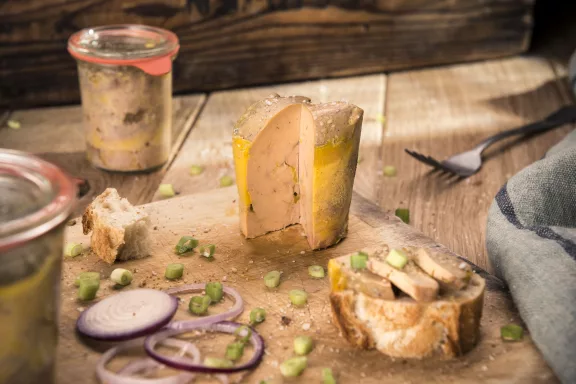
Fresh foie gras – whole piece
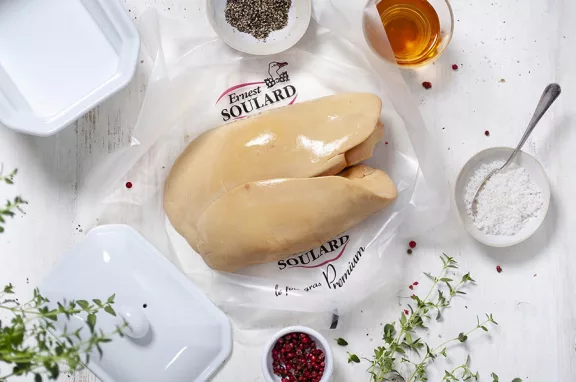
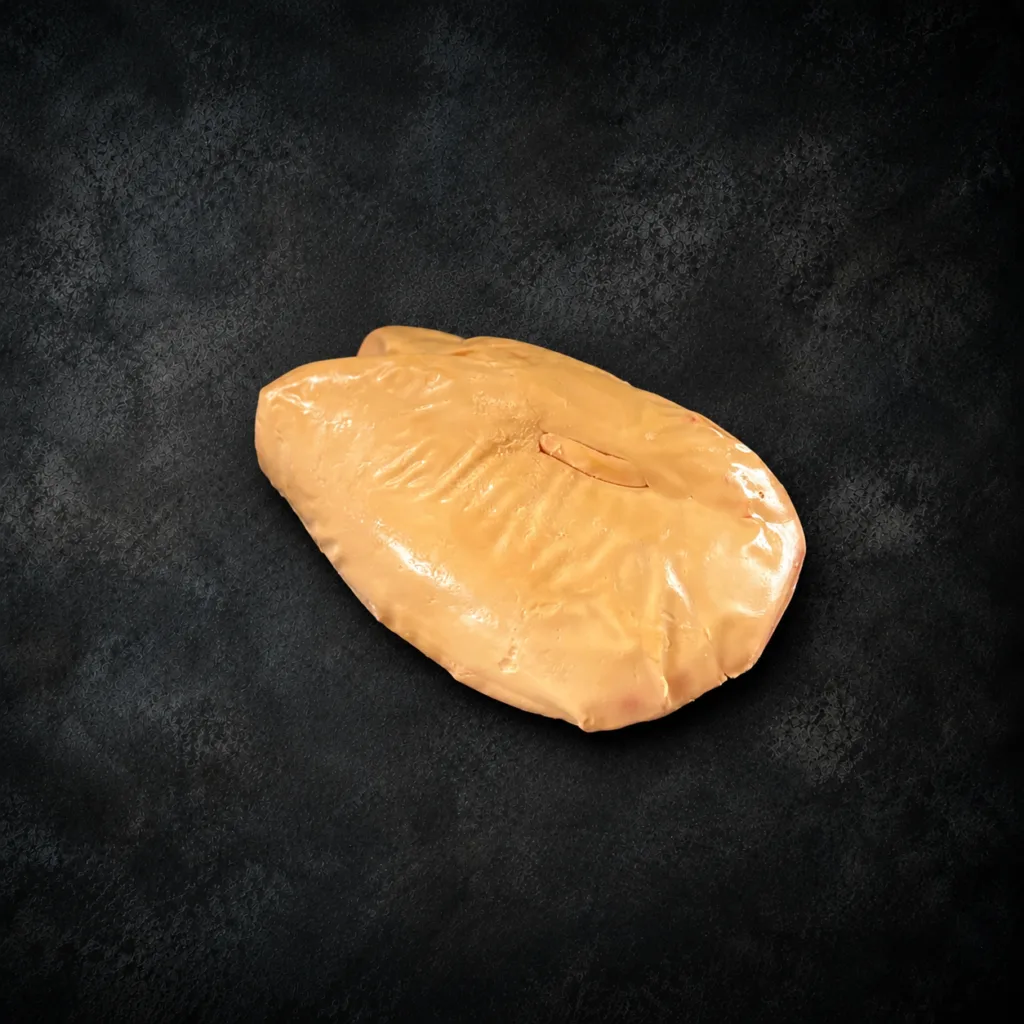
Fresh foie gras de canard in a whole piece, produced in Europe and IGP-controlled in Southwest France.The pieces weigh approx. 450–650 g. As the product is fresh, it has a short shelf life. If a longer shelf life is desired, the frozen variants are recommended.Foie gras can be used for…
Post-war breakthrough and the decisive choice
With peace, demand increased, and Soulard chose to focus on Barbarie ducks and pigeons. A bold step that formed the foundation for the company’s future. In 1974, the son Joël Soulard took over the company – visionary and ambitious, driven by the will to expand into new markets.
Internationalization and innovation in the 1970s
Joël created France’s first export-certified facility for ducks and secured market shares in Germany and Japan. He established a family-owned joint-stock company, where all siblings held shares, and focused strategically on growth and export.
Complete value chain – full control from egg to finished product
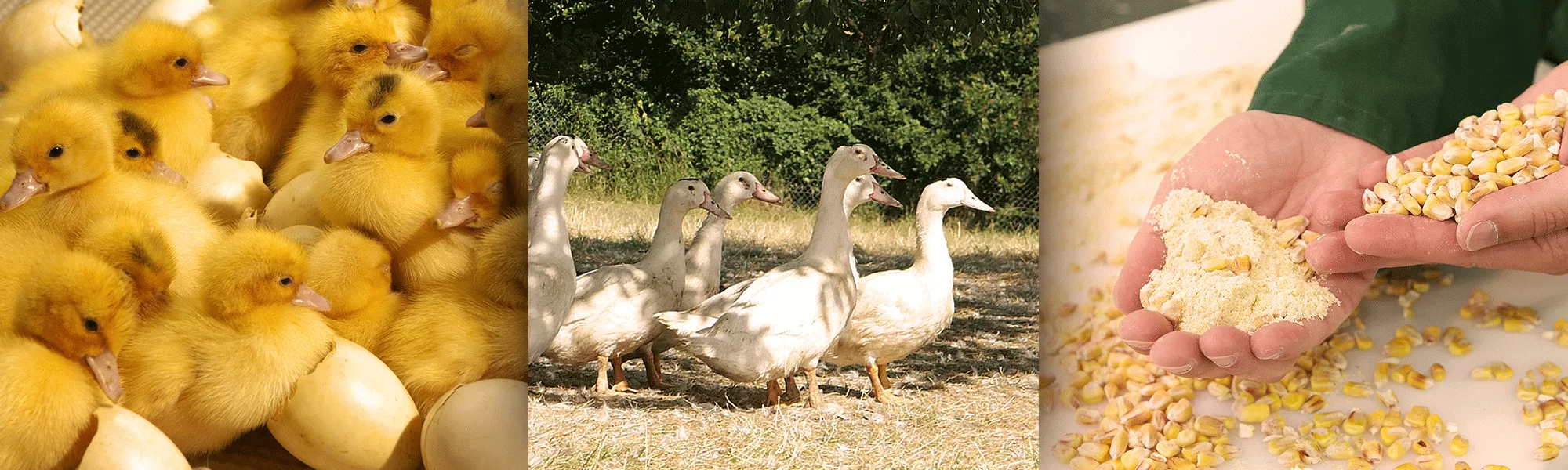
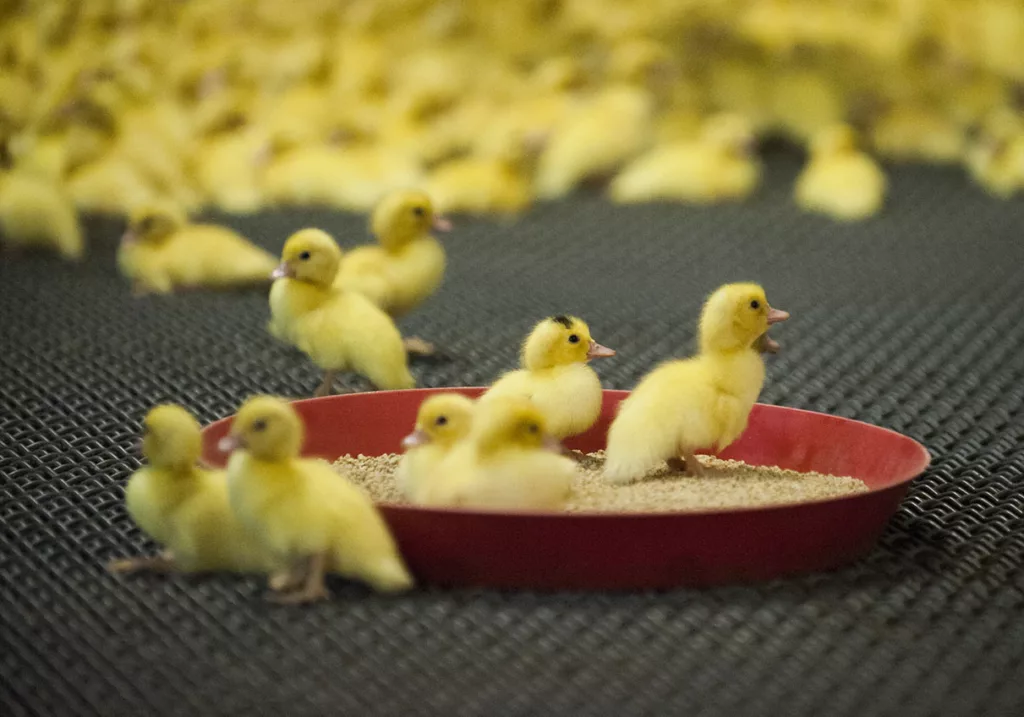
In 1990, Soulard took over a hatchery in Remouillé. Here, the eggs are placed in incubators, and after 35 days they hatch and are sent in climate-controlled trucks to local breeders.
Feeding – own feed mill since 1991
In 1991, the company opened its own feed mill in L’Oie. All feed is 100% plant-based and controlled internally to ensure the highest quality and animal welfare.
Rearing – two types of ducks
Barbarie ducks – also called “lean ducks”, known for firm meat and low fat content.
Mulard ducks – a cross between Barbarie and Peking duck. Used for foie gras and has particularly delicate meat.
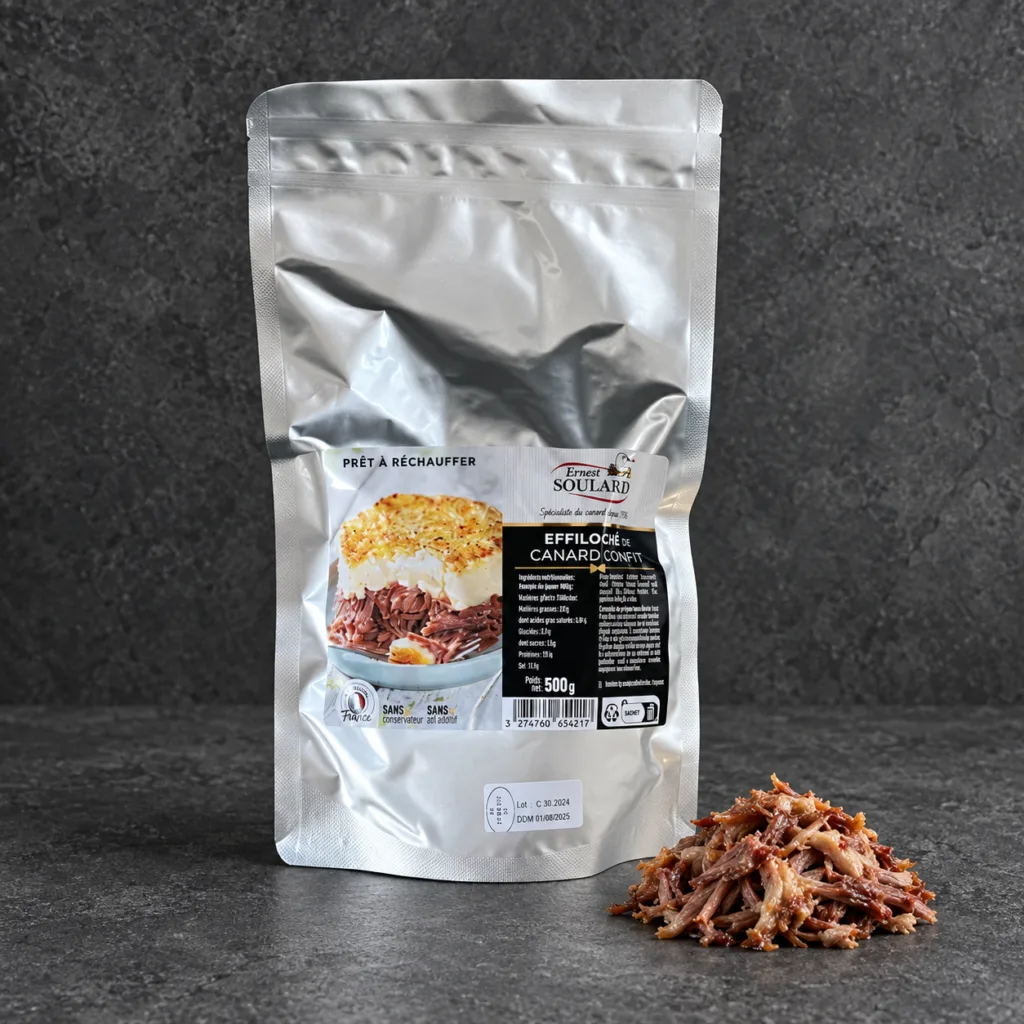
Pulled duck – 500g
Pulled duck – French duck with intense flavorThis pulled duck is made from top-quality French duck, known for its fine texture, deep flavor, and natural fat marbling. Slow-cooked and gently shredded to preserve both tenderness and juiciness, making it ideal for the professional kitchen.The flavor is rich, balanced, and distinctive…
Own processing and preserves production
Ernest Soulard operates modern facilities in L’Oie, including:
Slaughterhouse
Cutting rooms
Packing areas
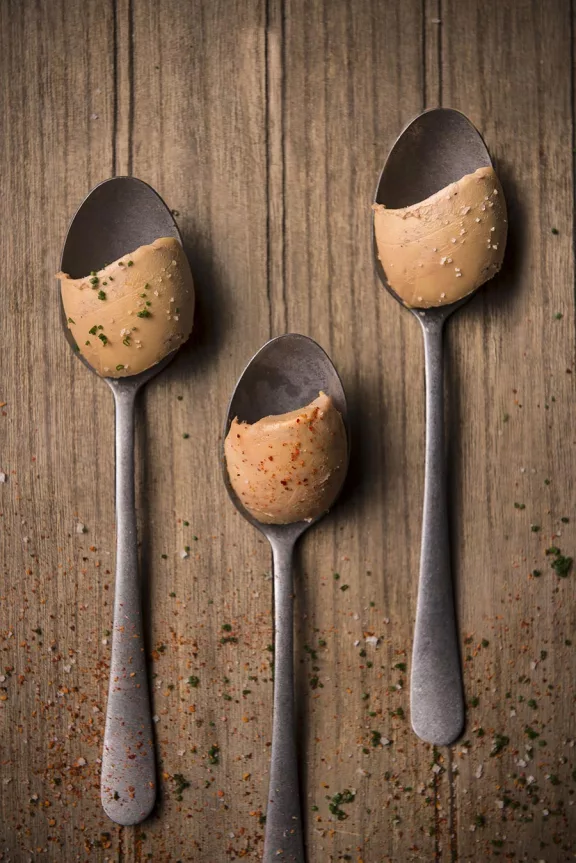
Preserves factory for foie gras
Foie gras is gently soaked and hand-seasoned, then processed into preserves according to order. This ensures maximum freshness and perfectly balanced flavour in every tin.
Quality and family spirit since 1936
In 2009, Soulard opened their own farm shop, where both locals and gourmets from across the country can buy directly. After more than 80 years of history, it is still the Soulard family that runs the company with their heart in the right place – and with respect for animals, land and craftsmanship
Seasoning:
For 1 kg foie gras
To ensure that your foie gras has sufficient salt and pepper, add 12 grams of salt and 4 grams of ground pepper. For reference, one teaspoon of salt equals approx. 3 grams, and one teaspoon of pepper weighs approx. 2 grams. For even more flavour on the palate, you can also add the alcohol you prefer.
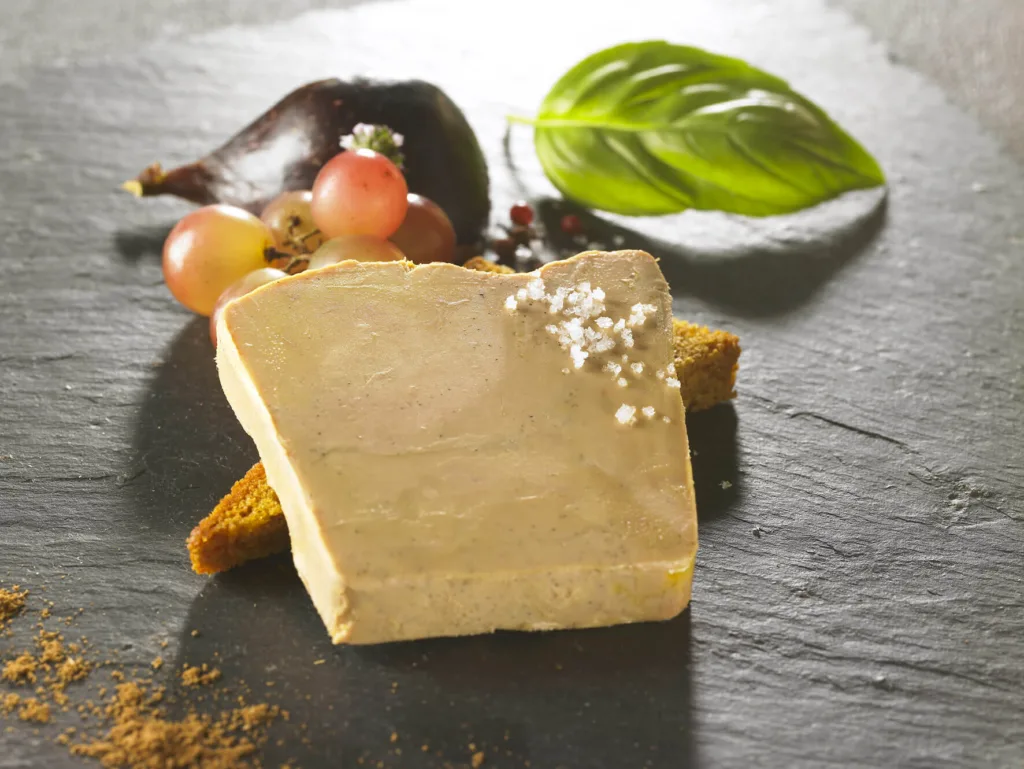
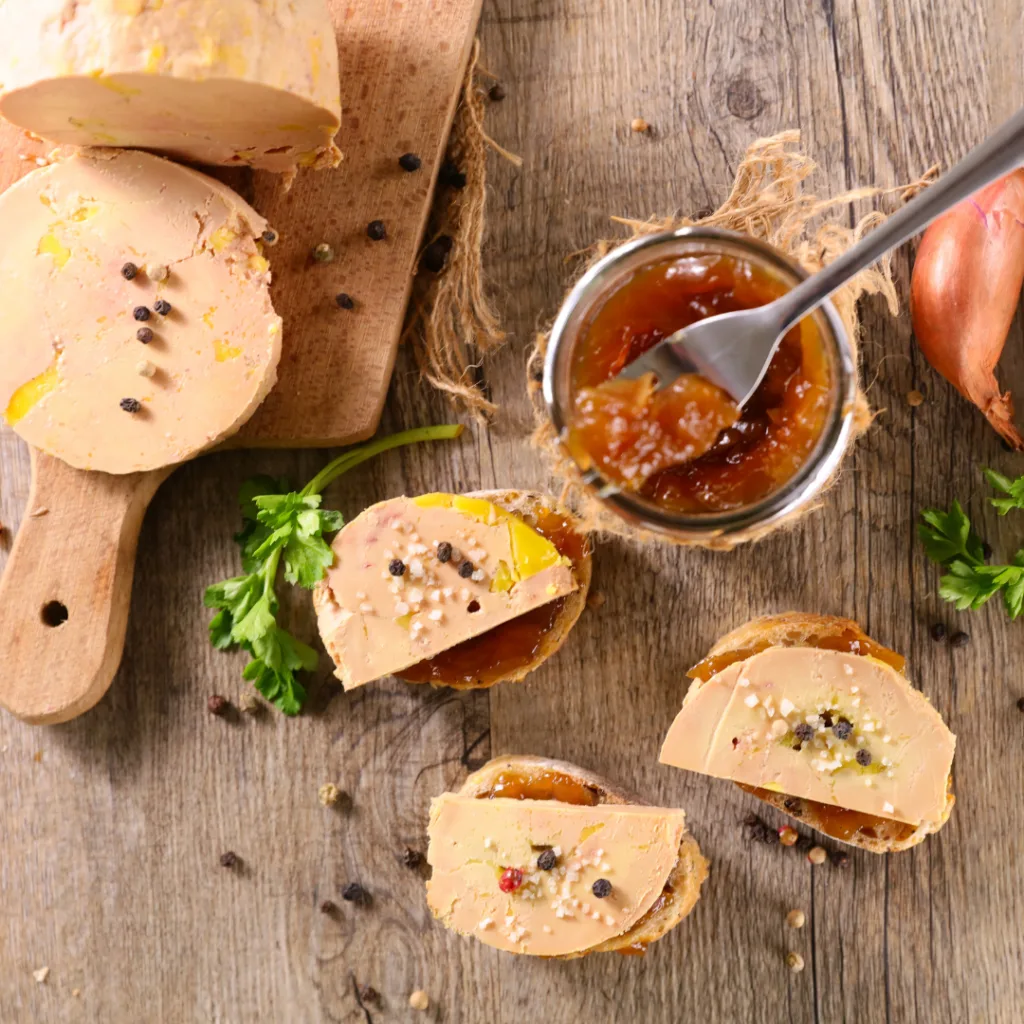
Cooking methods for foie gras
Water bath (bain-marie) in a terrine
To prepare your foie gras in a water bath (bain-marie), you must first place it in a terrine. Choose the terrine based on the size of your foie gras. Before cooking, the foie gras must be deveined (remove veins), then salted and peppered, and the desired alcohol is added. Then place it in a terrine, making sure to press it down between the two lobes to remove any air.
In an oven preheated to 100°C, prepare the water bath and place the terrine in the oven. The cooking time is 60 minutes for foie gras weighing 500 to 600 grams. Insert a thermometer to check the temperature at the center. The ideal temperature is 55°C.
Steaming in plastic wrap
Steaming is another method to prepare foie gras and preserve all its flavours. The principle is simple: after seasoning and adding alcohol to the deveined whole raw foie gras, wrap it in heat-resistant plastic wrap. Then place it in a steamer basket for 25 minutes (for a 500 gram liver). Once cooking is complete, place it in ice water to cool so it retains its shape.
Cooking methods for foie gras
Foie gras au torchon
To prepare foie gras au torchon, the two lobes are deveined and seasoned. Then wrap the lobes in baking paper with several small holes, and roll everything into a clean cloth (“torchon” in French). Roll the foie gras into an even cylinder, and tie both ends of the cloth together. Then submerge the cloth in a flavorful, seasoned stock at 70°C. Leave the foie gras in the stock for 35 minutes and keep it fully submerged. At this temperature, the foie gras retains its tenderness. When the cooking time is complete, remove the pot from the heat, and cool the foie gras in the same stock in the refrigerator for 24 hours. Then remove it from the stock, take off the cloth and paper, and wrap the foie gras in plastic wrap to prevent oxidation.
Foie gras escalope
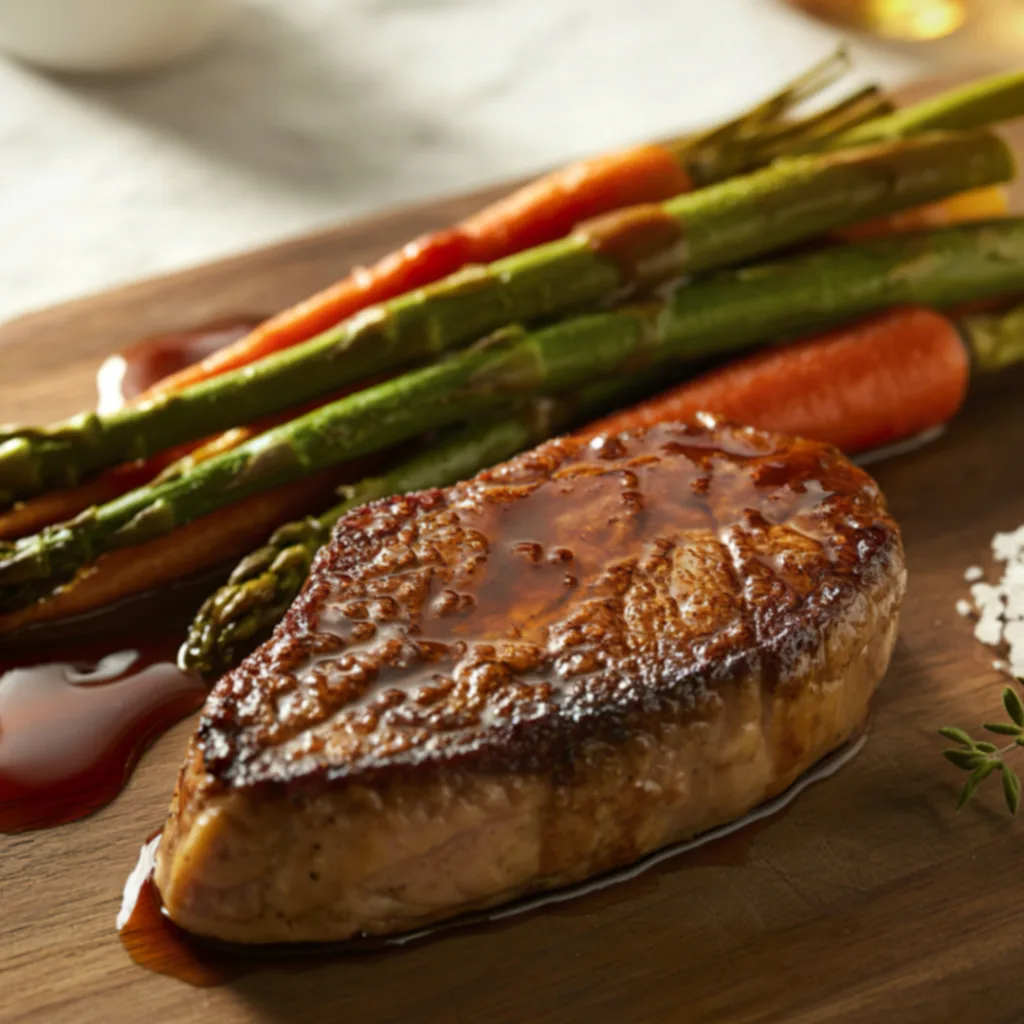
Take a whole fresh foie gras, and use a knife with a thin and flexible blade to cut escalopes of approx. 2 cm thickness. Season both sides of the escalopes with salt and pepper. In a hot non-stick pan without added fat, cook each side for approx. 3 minutes (6 minutes in total for both sides).
Never devein the foie gras when making escalopes.
Oven-roasted foie gras
Season the whole fresh foie gras without deveining it. Preheat the oven to 180°C. In a non-stick pan without added fat, brown the foie gras on both sides until lightly coloured. Then cook it in the oven for 20 minutes, basting it regularly with the rendered fat. Serve in thick slices.