

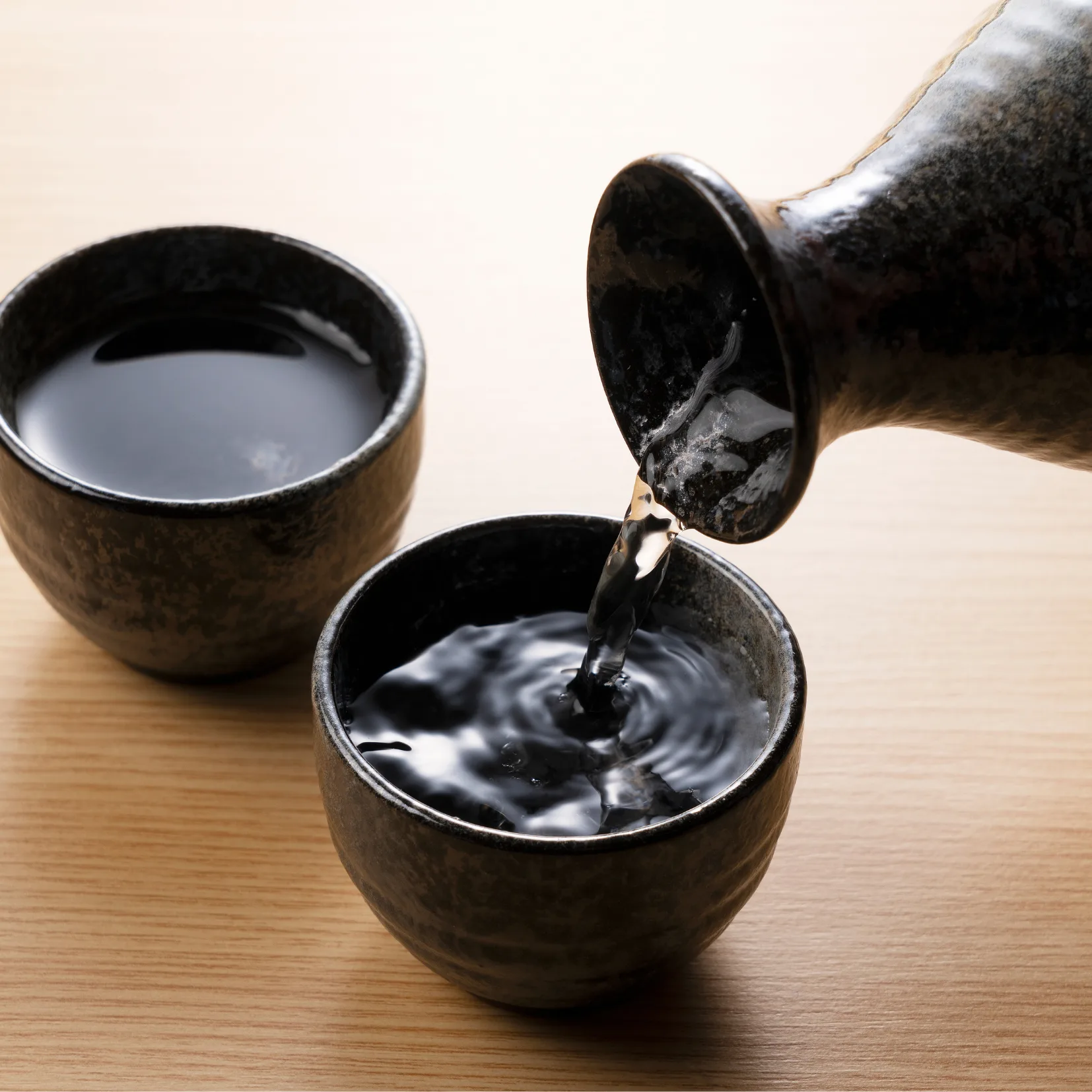
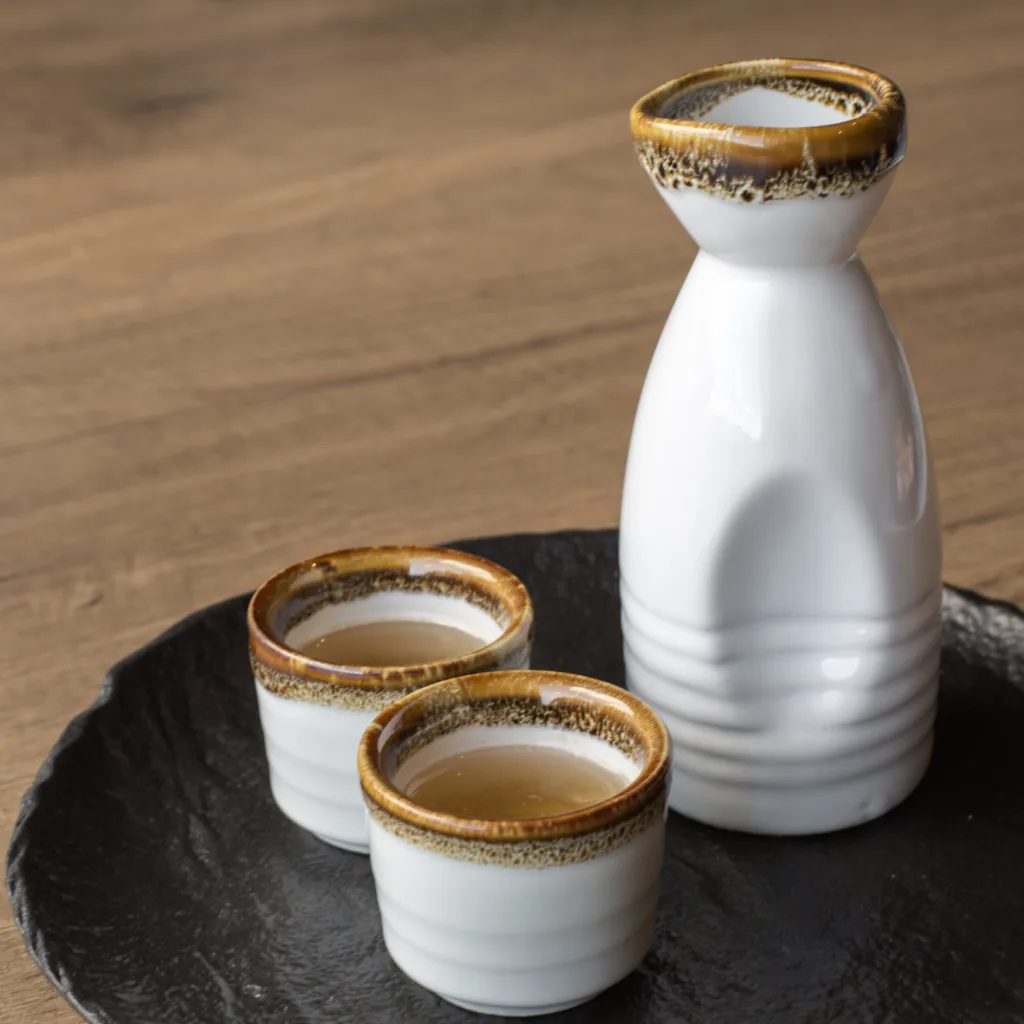
Sake is a Japanese alcoholic beverage made from four essential ingredients: rice, water, koji culture and yeast. Although sake is often referred to as “rice wine”, it differs significantly from wine in terms of raw materials, brewing technique, flavour profile and use with food. Below is a structured introduction to the key elements of sake production.
SAKE PRODUCTION
1. Rice
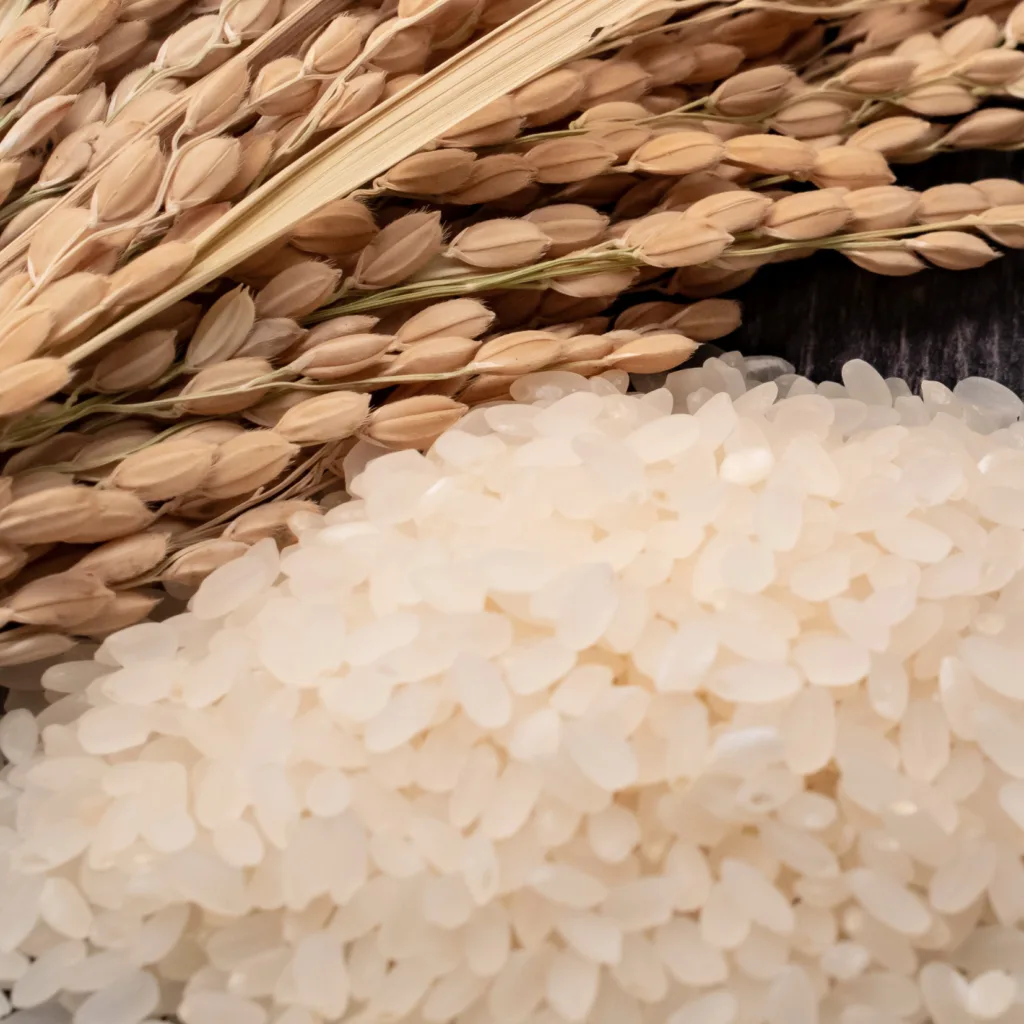
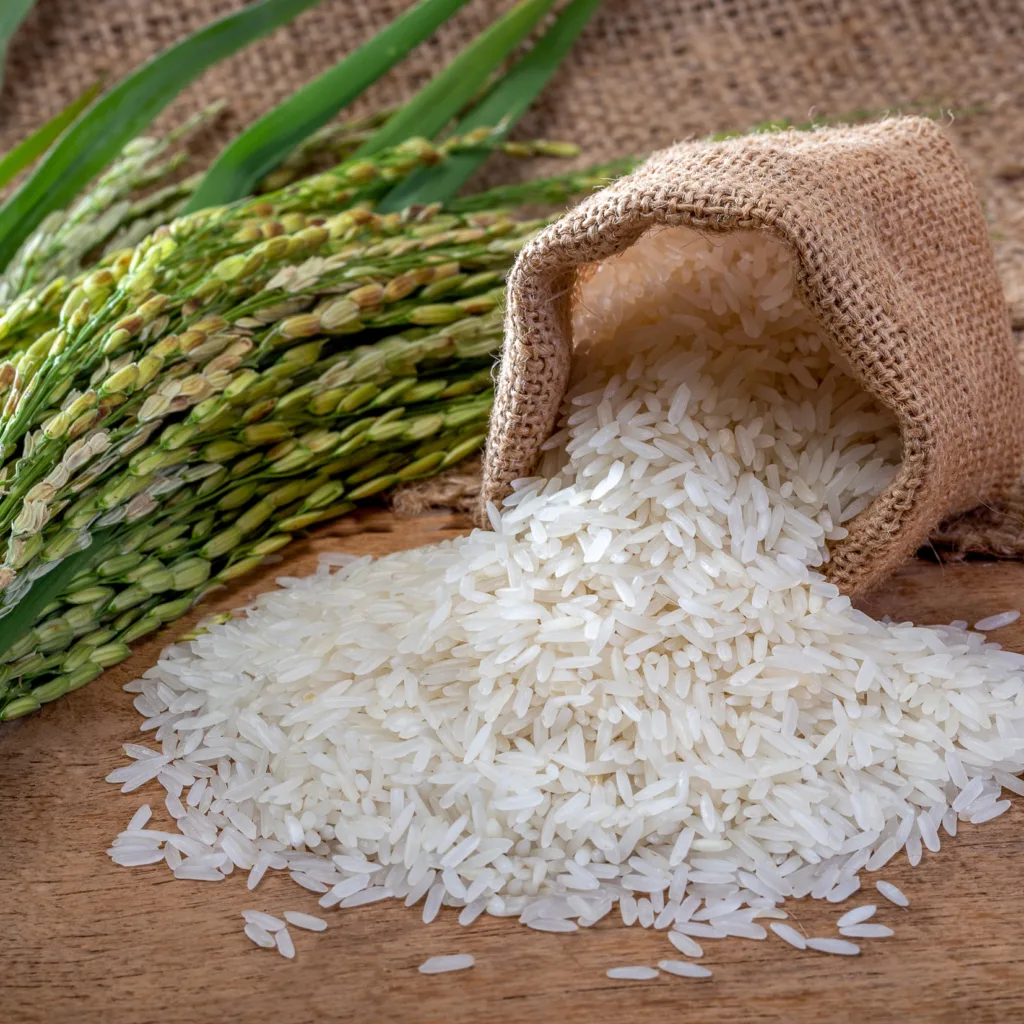
The choice of rice variety has a significant impact on the flavour. Sake is primarily made from special varieties with large grains and high starch content – including Yamada Nishiki, which is one of the most widely used. However, there are many regional variations, and some breweries use regular rice varieties to achieve specific expressions.
2. Rice polishing
The rice is polished to remove the outer layers containing protein and fat, as these can produce undesirable aromas. The polishing ratio varies depending on the type of sake and can be reduced to around 23% of the original grain size. The remaining starchy core forms the basis for the fermentable sugar structure.
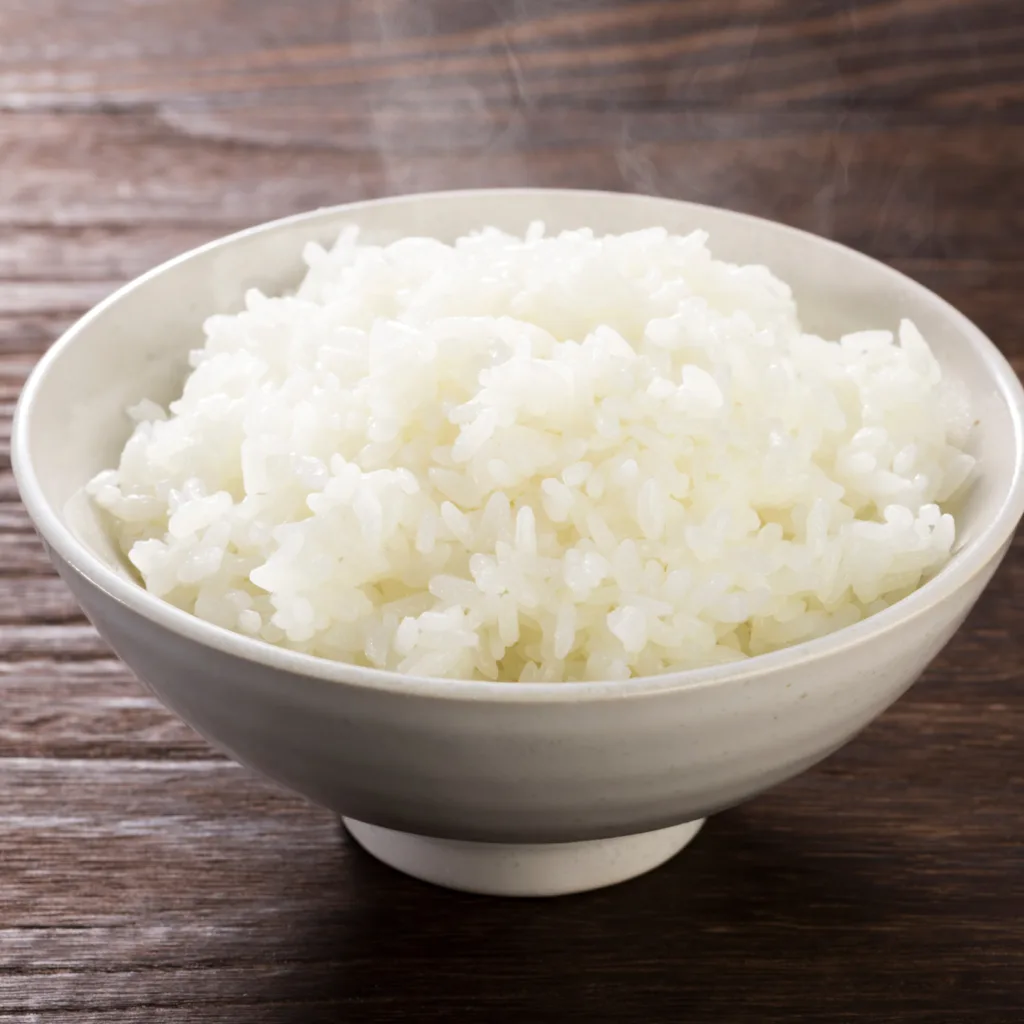
3. Steaming of rice
After polishing, the rice is washed, soaked and steamed. When the temperature is optimal, the koji culture is added, which converts the starch into sugar.
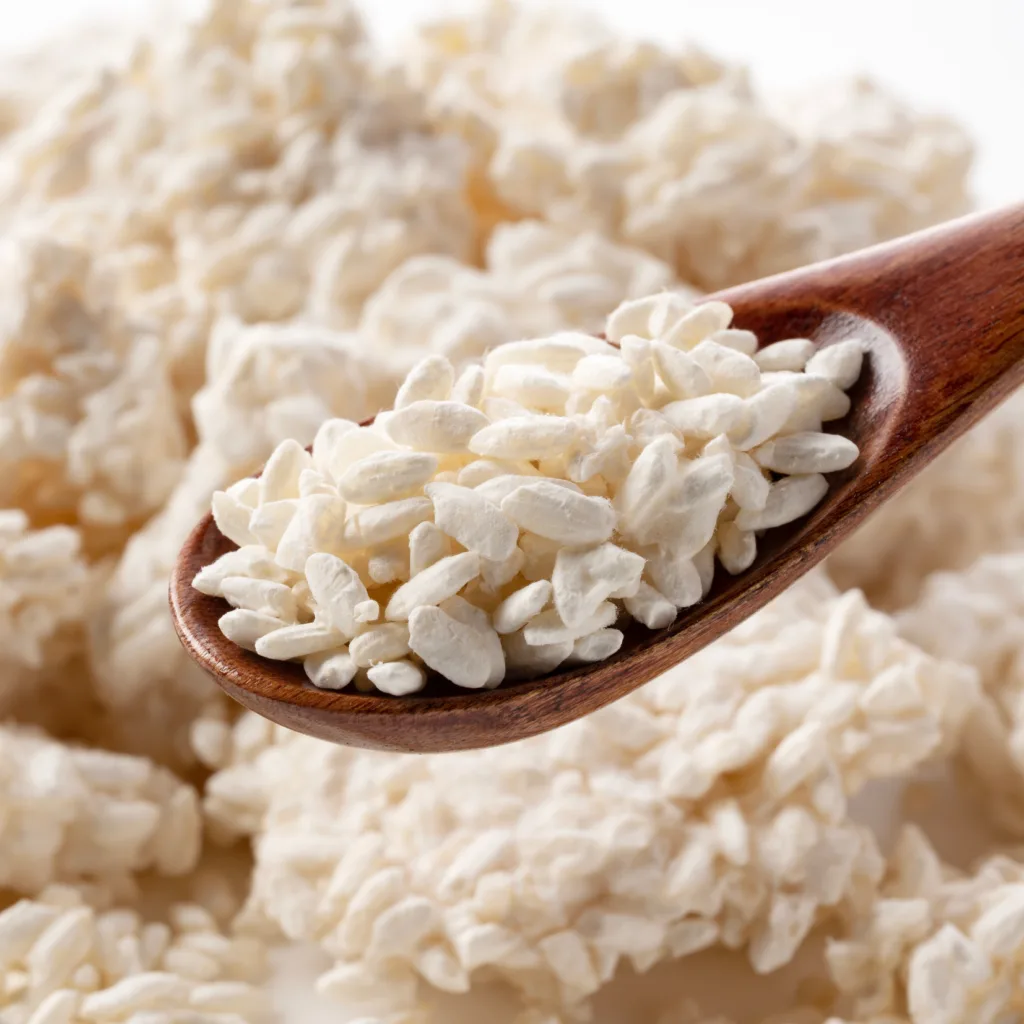
4. Koji (koji culture)
Starch cannot be fermented directly into alcohol, therefore koji is used – a natural culture that breaks down starch into sugar. Yellow koji is the standard, but some producers experiment with other varieties to influence colour, aroma and sweetness.
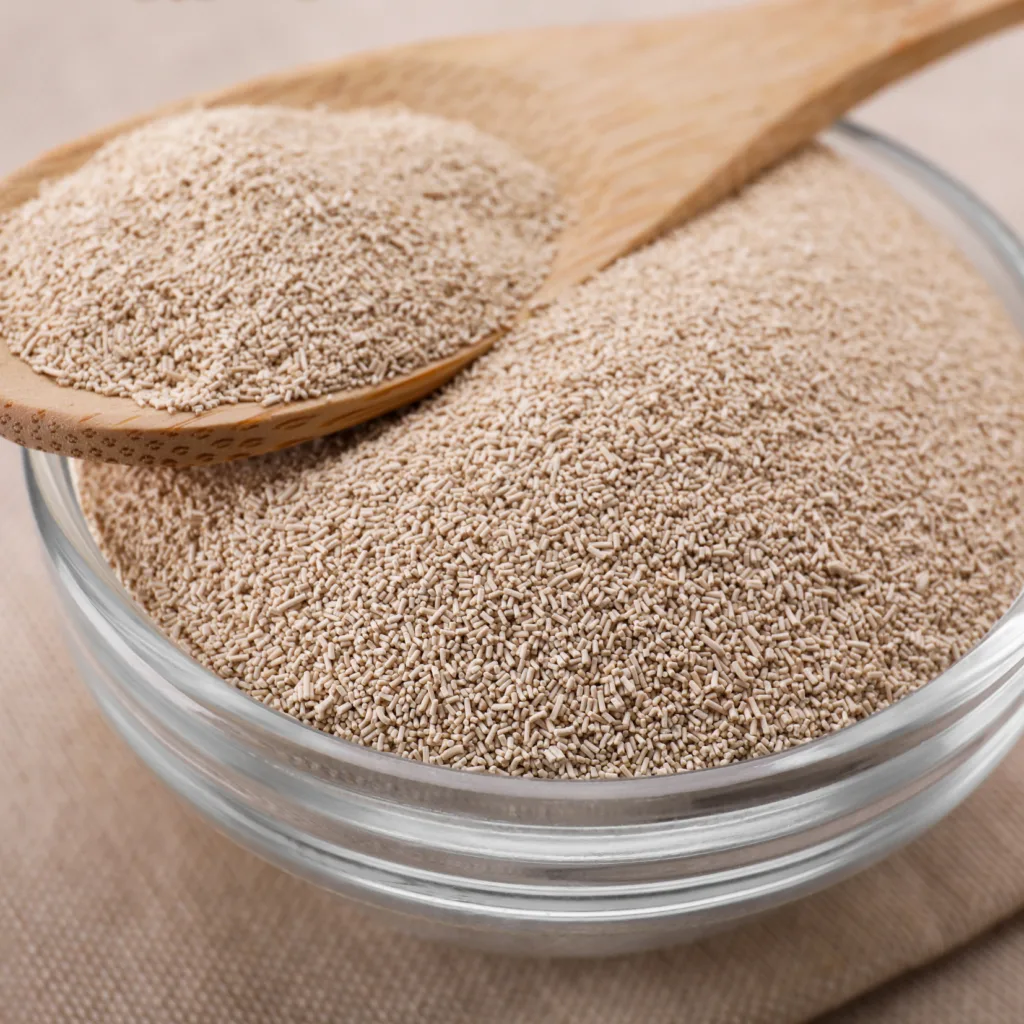
5. Fermentation (yeast)
Koji rice, water and yeast are combined in fermentation tanks. Most producers control the process by adding lactic acid, while traditional methods such as yamahai and kimoto rely on natural lactic acid bacteria, resulting in deeper and more complex flavour profiles.
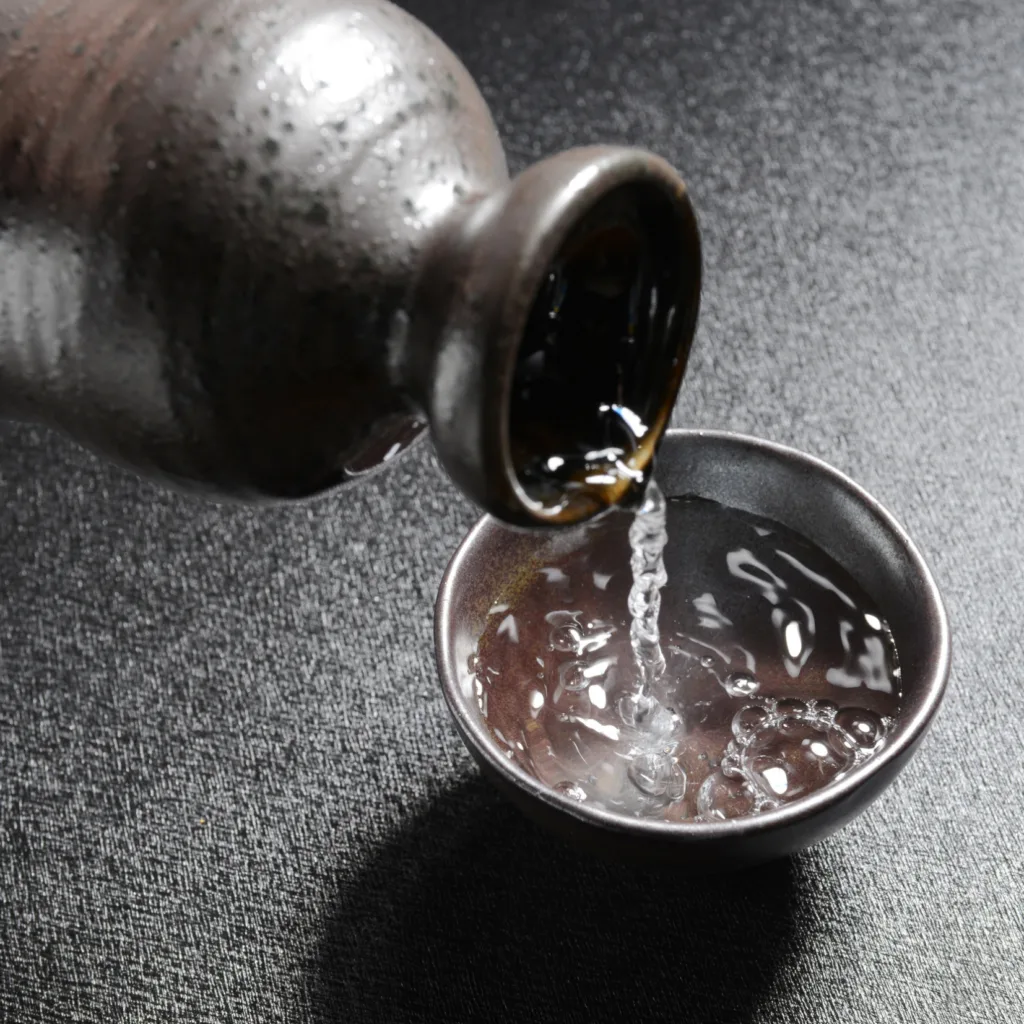
6. Filtration and pressing
Once fermentation is complete, the liquid is separated from the lees. The standard method is mechanical pressing, but for more exclusive batches, the shizuku method is used, where the sake drips slowly without pressure – resulting in a more elegant and delicate profile.
7. Adjustment of alcohol content
Undiluted sake can reach up to approx. 22% alcohol and is referred to as genshu. Most types are diluted to approx. 12–17% for a more balanced flavour. Sake without the designation junmai may contain a small amount of distilled alcohol, which enhances aroma and structure.
8. Bottling and pasteurisation
Unpasteurised sake is called namazake, characterised by freshness and a pronounced aroma, but it requires constant refrigeration and has limited shelf life. Pasteurised sake can be stored at room temperature and makes up the majority of the export market. Standard qualities are pasteurised before bottling, while premium types are often pasteurised after bottling to preserve finesse in the flavour.
Explore our wide range of
SAKE
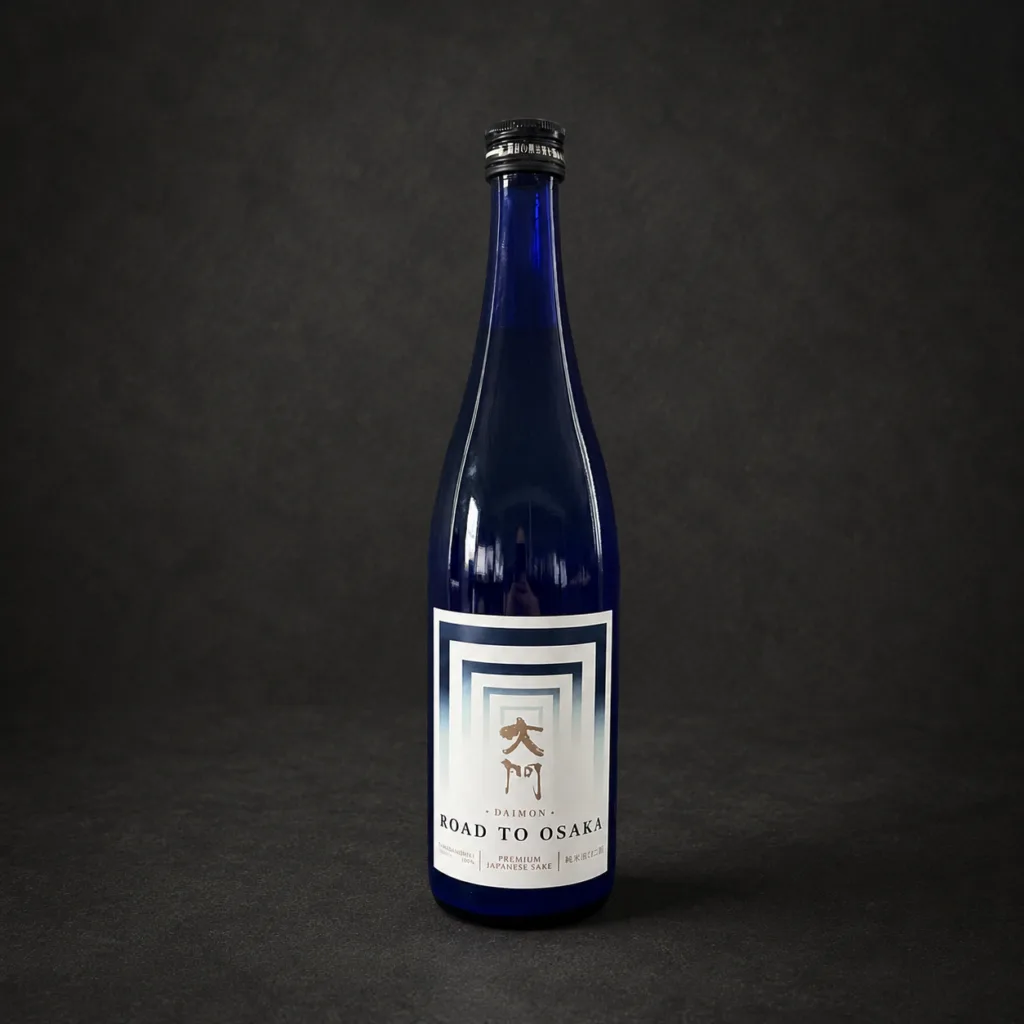
Road to Osaka – Junmai Ginjo – Nigori – 720ml
29,34 €
Sold out
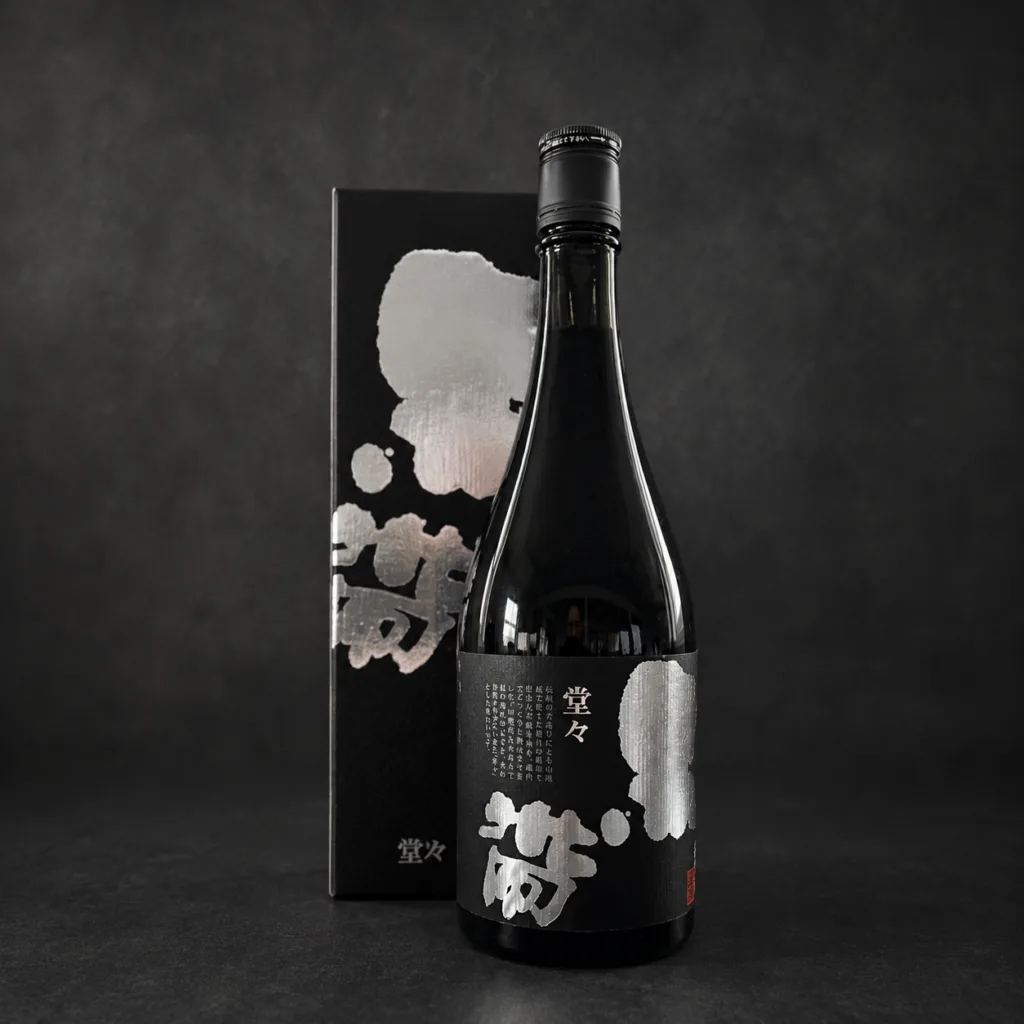
Kuroobi Dodo – Honjozo – Yamahai – 720ml
38,66 €
Sold out
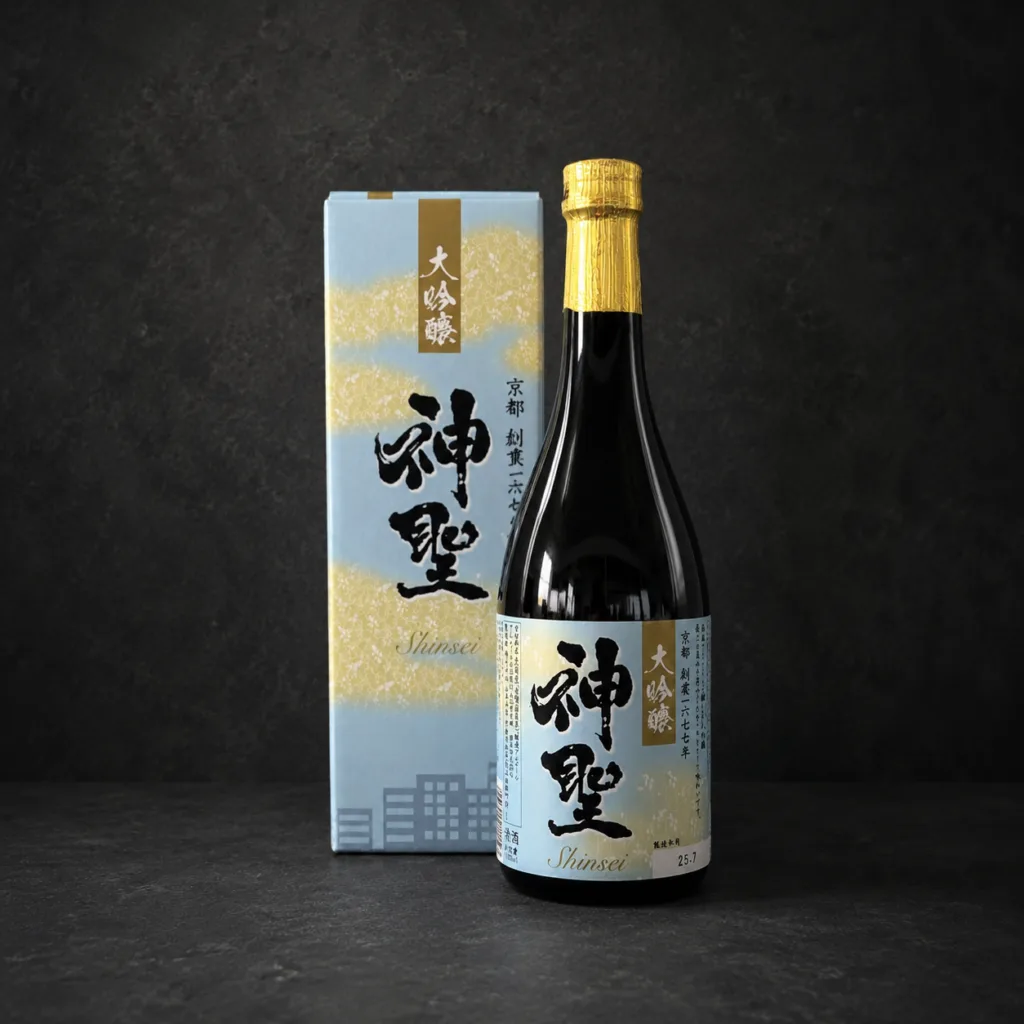
Shinsei – Daiginjo – 720ml
34,00 €
In stock
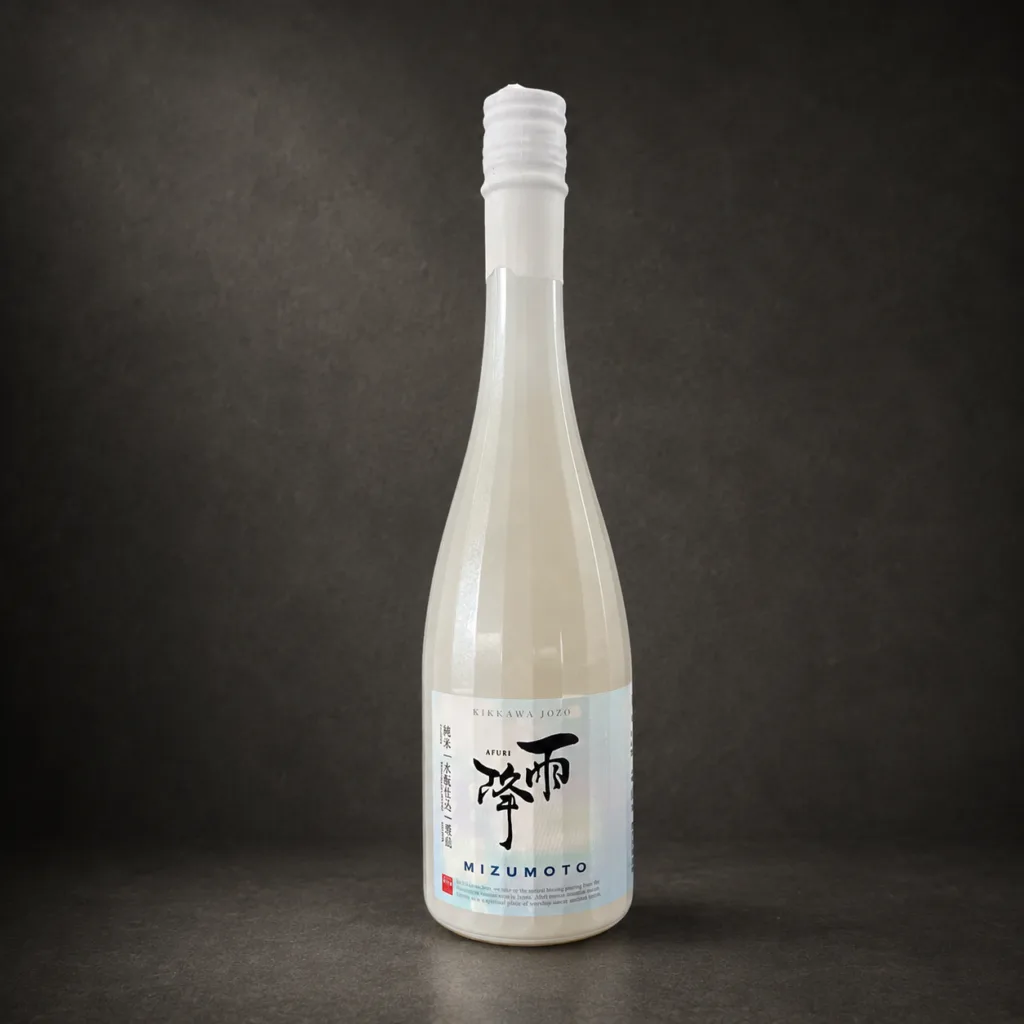
Afuri Mizumoto – Junmai Ginjo – Kimoto – 720ml
42,66 €
In stock
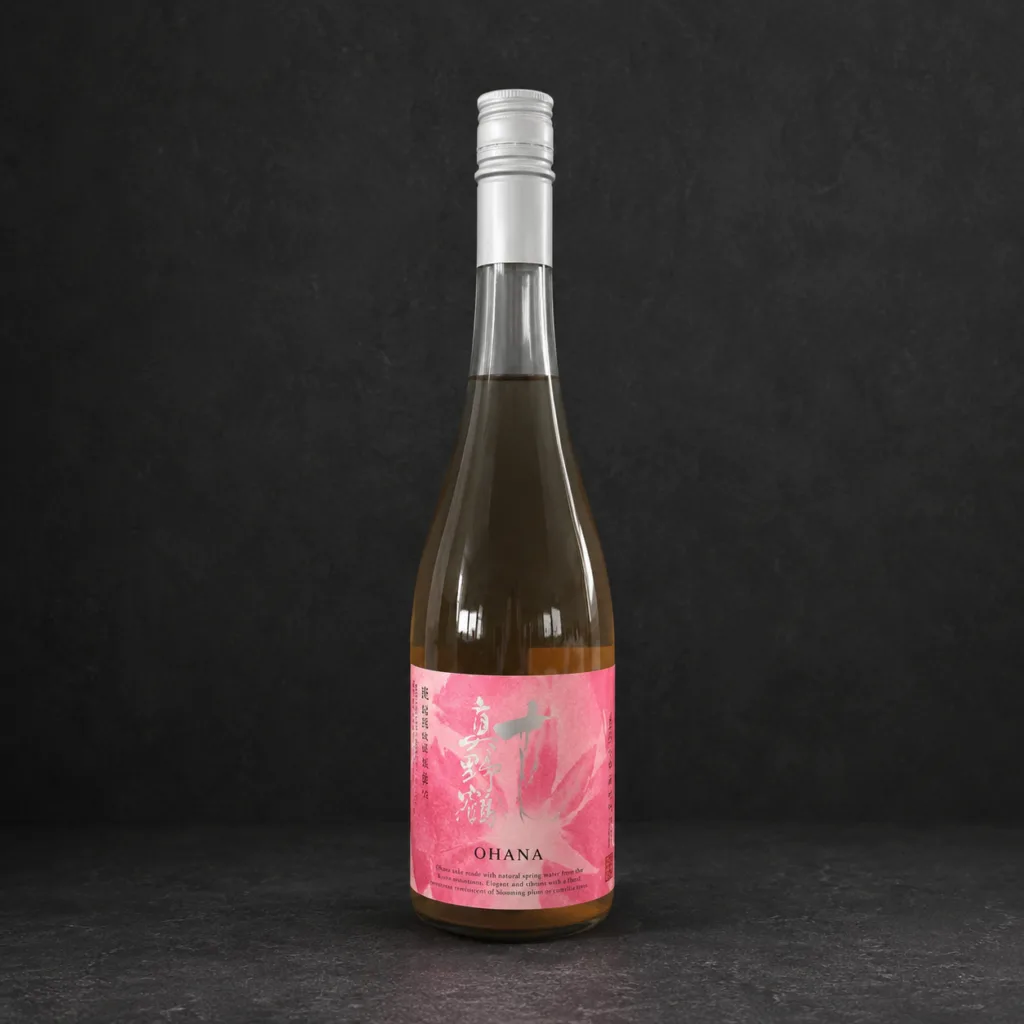
Afuri Ohana – Junmaishu – Kimoto – 720ml
42,66 €
In stock
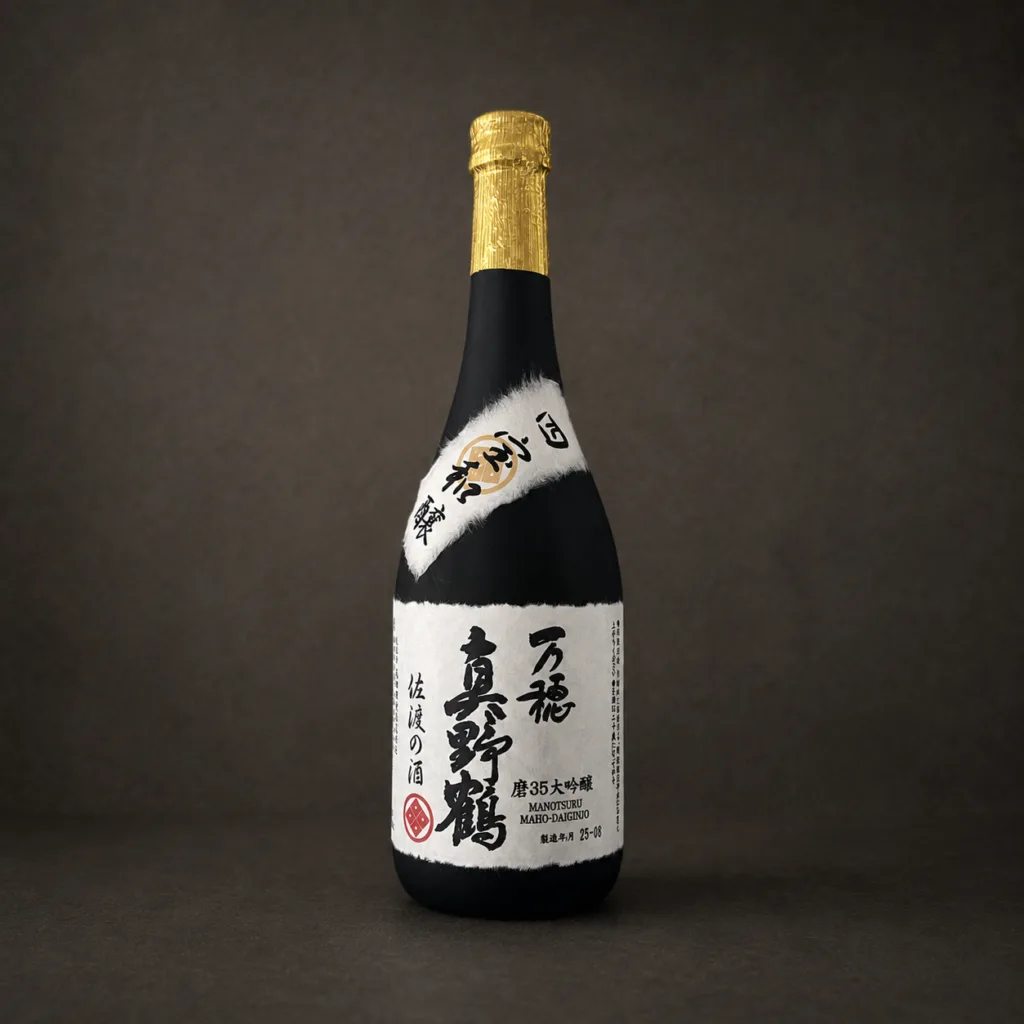
Manotsuru Maho – Daiginjo – 720ml
78,66 €
In stock
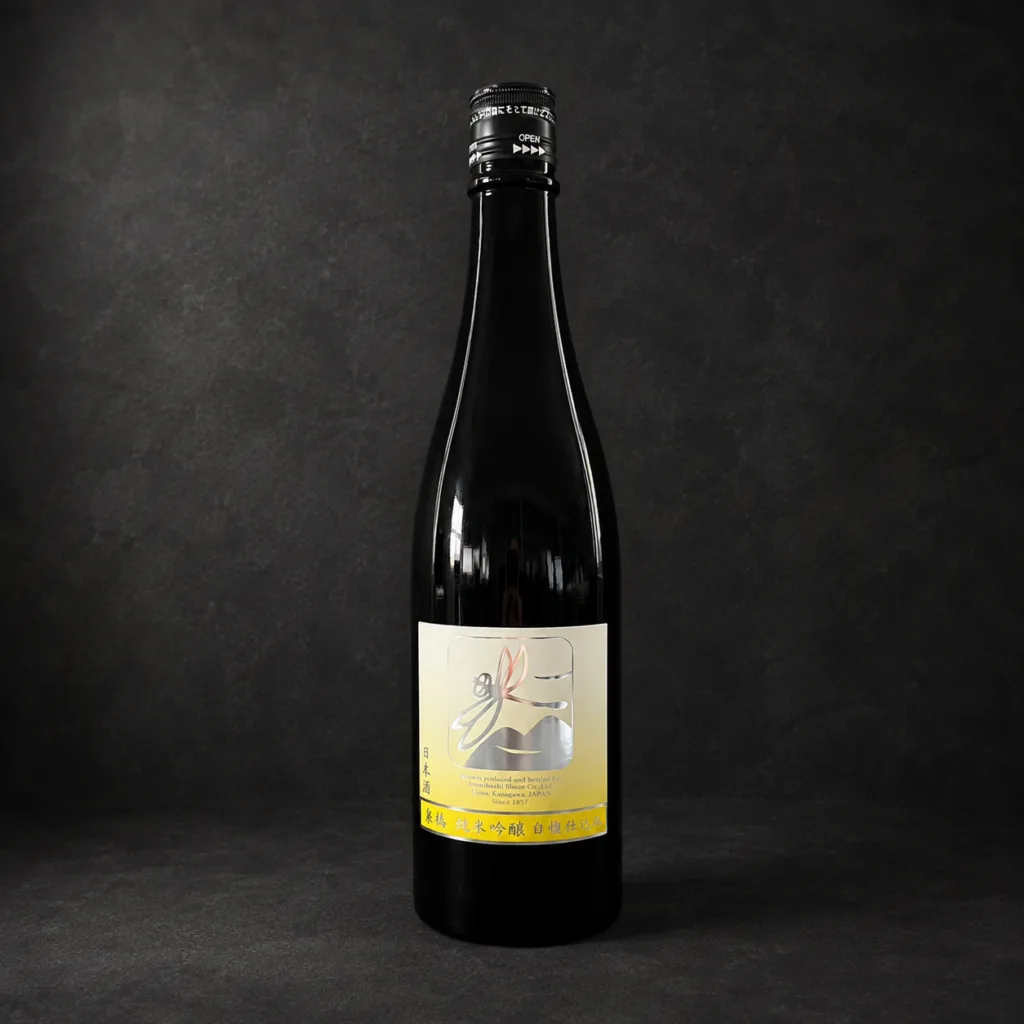
Izumibashi – Junmai Ginjo – 720ml
50,00 €
In stock
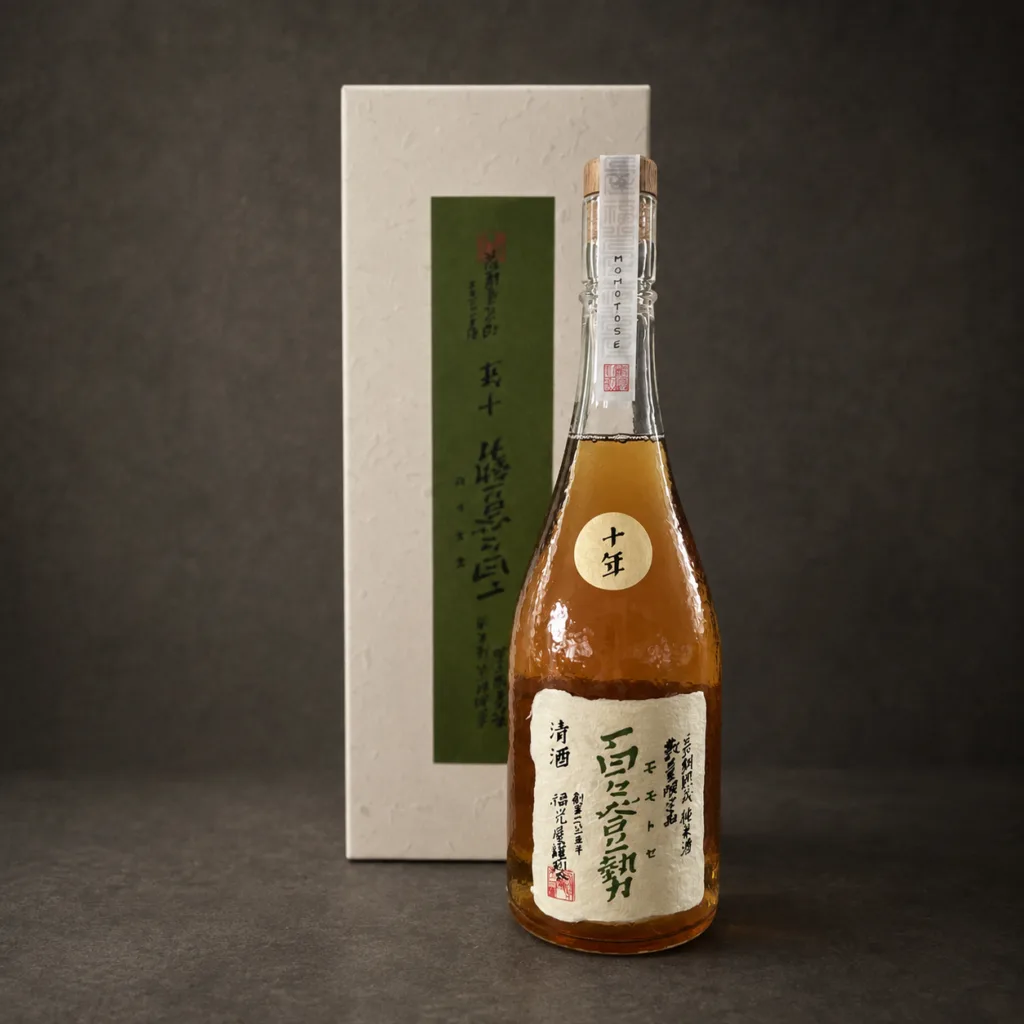
Momotose – Honjozo – Koshu – 10 years – 720ml
166,66 €
Sold out
SAKE CLASSIFICATIONS
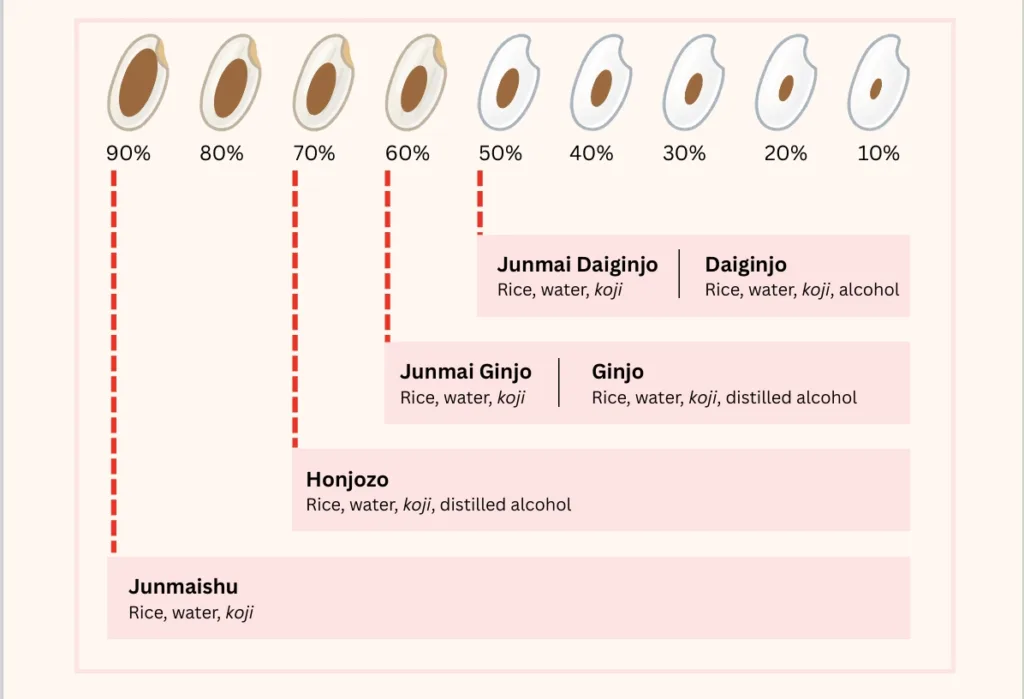
The official classes (grades) of sake are determined by the rice polishing ratio and/or the addition of distilled alcohol. The rice polishing ratio indicates the percentage of the rice grain remaining after polishing.
JUNMAI
The term junmai means that the sake is made exclusively from rice, water and koji – without the addition of distilled alcohol. This is an important classification marker, but not necessarily an indication of higher quality. Many premium sakes contain a small amount of distilled alcohol, not to increase alcohol content, but to enhance aroma, balance and texture.
When the rice is highly polished – as in the daiginjo category – only a small, starch-rich core remains. This often results in elegant, floral and refined flavour profiles, characteristic of many daiginjo sakes.
When the rice polishing is less extensive, more of the grain’s natural components are retained. This gives brewers greater freedom to create expressions with more depth and complexity. Combined with different koji cultures and yeast strains, this can result in distinctly varied flavour styles.
Sake types such as honjozo and junmaishu should therefore not be regarded as lower-quality categories. They represent a broader stylistic range and are ideal choices for those who want to explore sake in all its variation and depth.
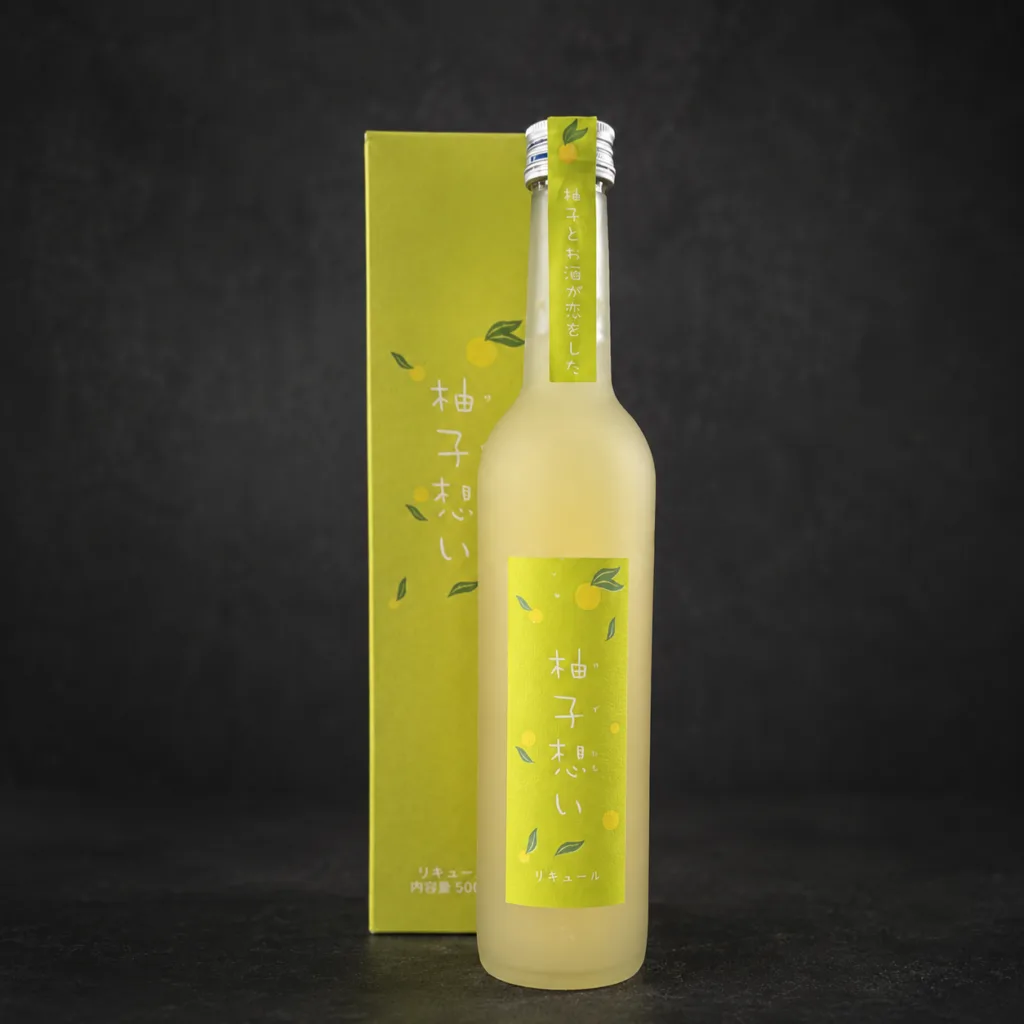
Yuzushu – 500ml
Yamamoto Honke Yuzu-shu – elegant sake liqueur with fresh yuzuYuzu-shu from Yamamoto Honke Brewery is a refined Japanese liqueur that combines sake, freshly pressed yuzu juice and a mild sugar base. It has a natural citrus aroma and a balanced sweetness, which sets it apart from many other fruit sakes…
HOW TO ENJOY SAKE
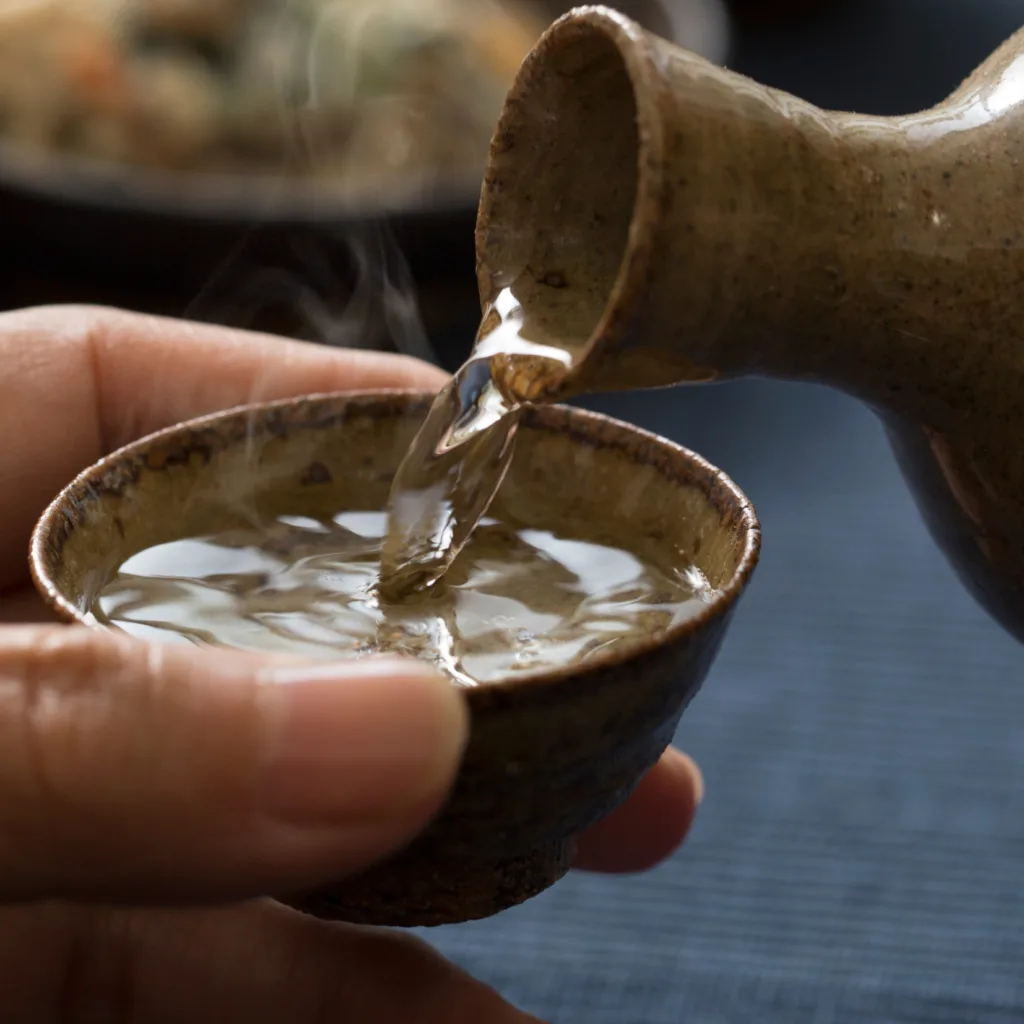
Traditionally, sake is served in small cups called choko and poured from carafes known as tokkuri. The small cups support the Japanese tradition of pouring for one another as a gesture of respect and hospitality. In recent years, serving sake in wine glasses has become more common, as it enhances aroma and fragrance in a more nuanced way.
Once opened, sake should be stored refrigerated. As with wine, it is recommended to remove the air from the bottle before storage, as this helps preserve aroma and flavour.
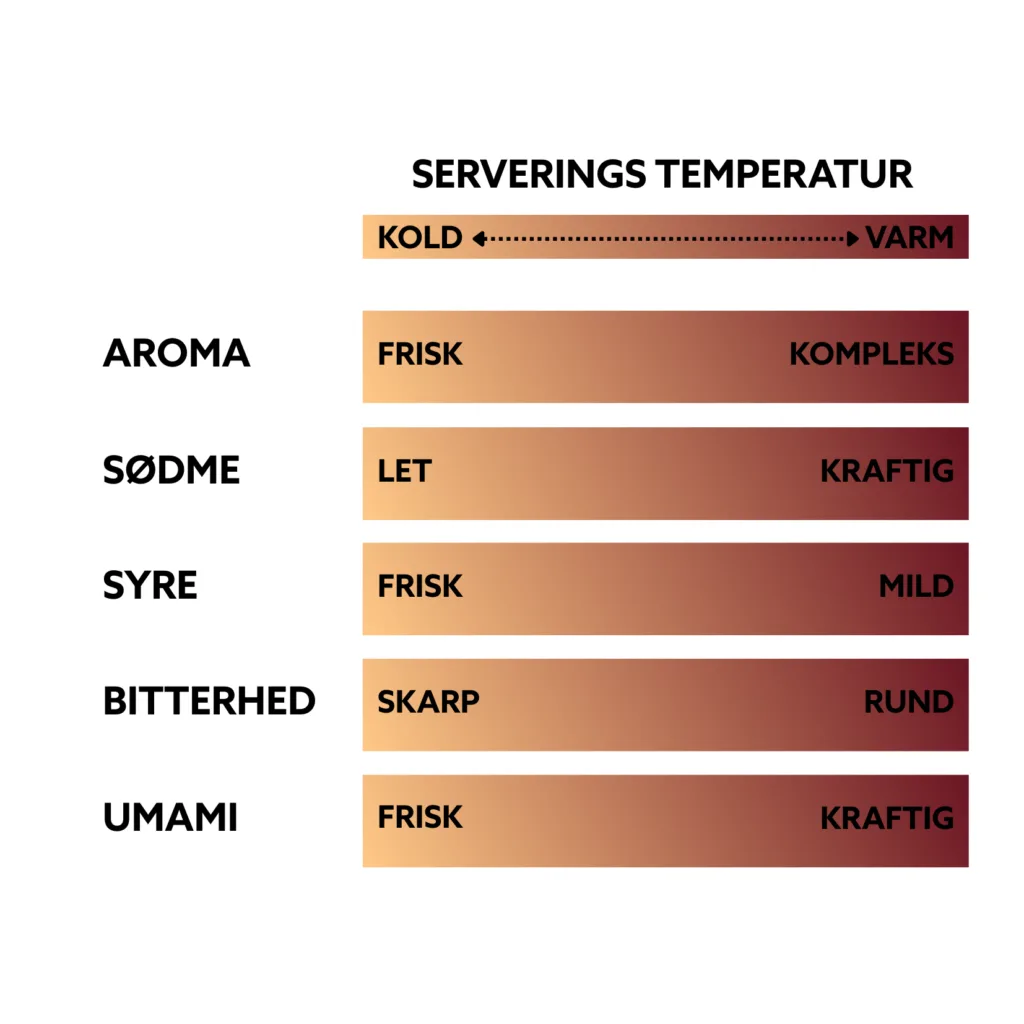
Sake can be enjoyed at different temperatures – warm, at room temperature or chilled. Temperature has a significant impact on both flavour and aroma, and not all types of sake are suited to all temperature ranges. Therefore, we indicate in the product descriptions symbols that show the optimal serving temperature for each variant.
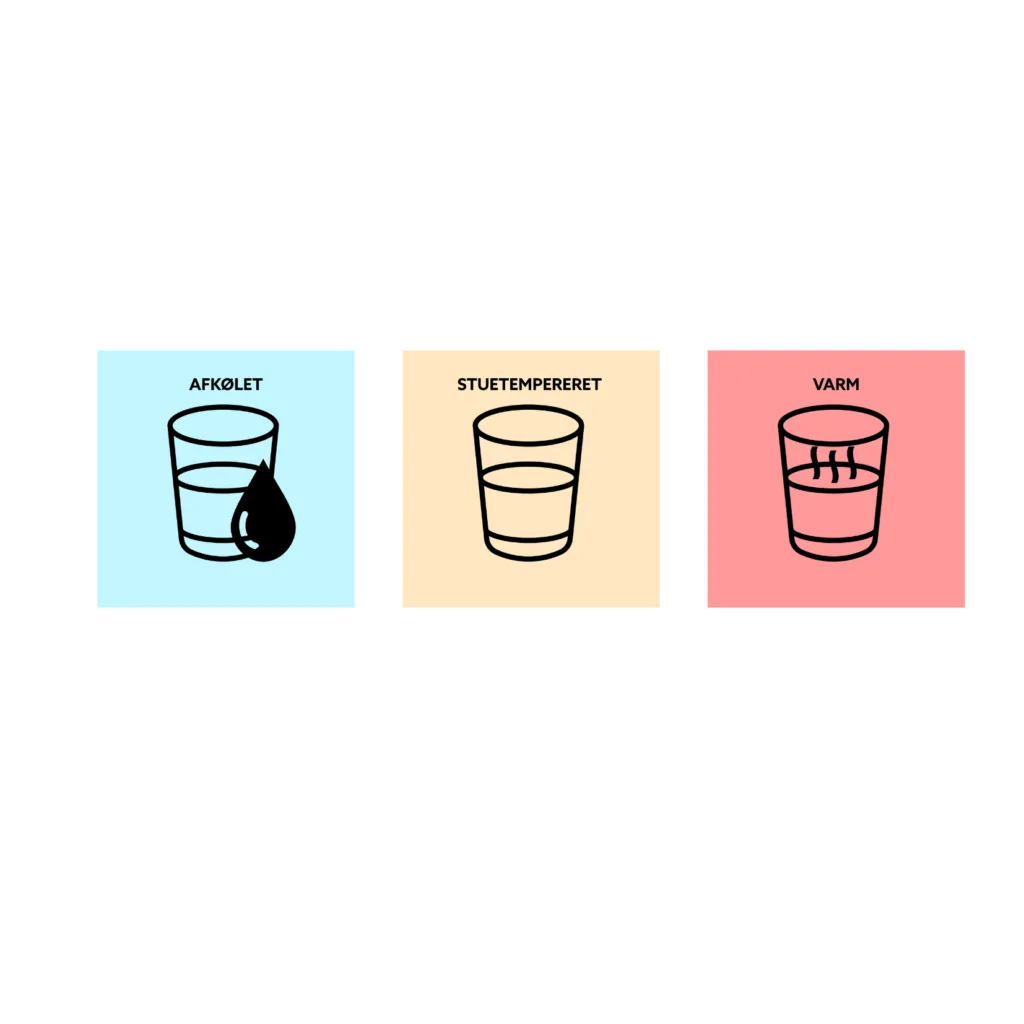
SAKE – LABELLING
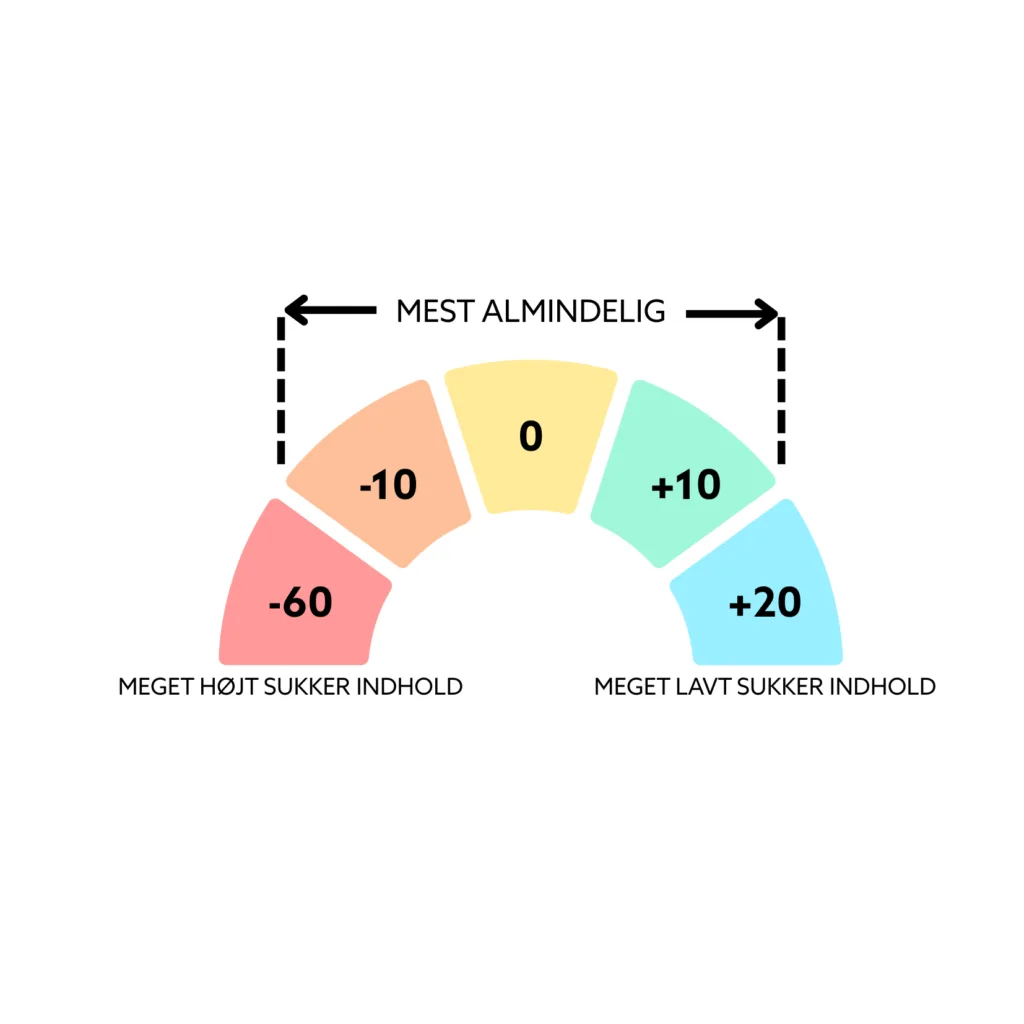
Sake Meter Value (SMV)
The Sake Meter Value (SMV) indicates the residual sugar content in sake and serves as a general indicator of whether a sake is perceived as dry or sweet. A high SMV typically indicates a dry profile, while a low or negative SMV often points to a sweeter taste.
However, the sensory experience depends on more than just residual sugar. Acidity, bitterness, umami and serving temperature all have a significant influence. For example, a sake with moderate sweetness may appear drier if the acidity level is high, or seem rounder and softer if served warm.
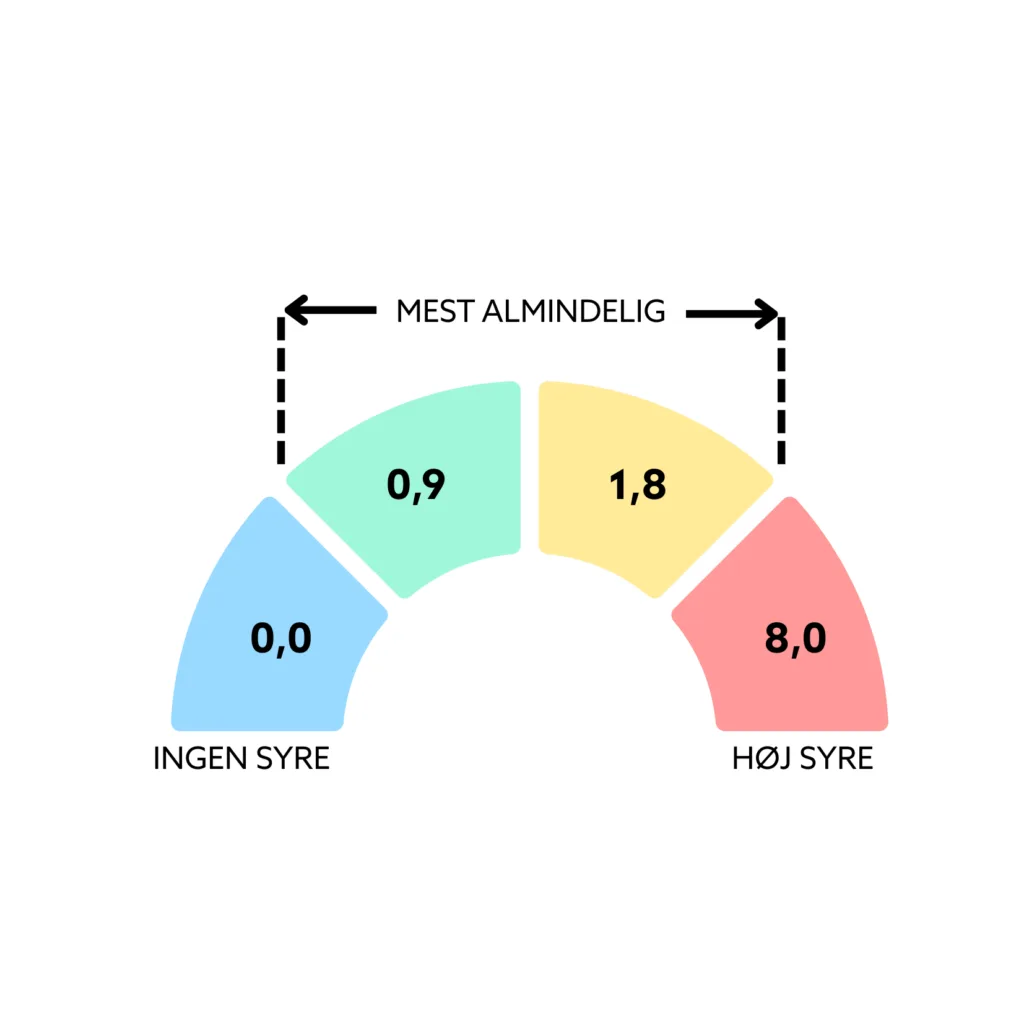
Acidity
Compared to wine, sake generally has a lower acidity level. The acidity primarily consists of lactic acid, which is perceived as mild and rounded. This soft acid structure contributes to sake’s smooth and harmonious flavour profile.
When evaluating sake, both SMV and acidity are relevant parameters. While SMV provides an overall indication of sweetness and dryness, acidity adds depth and balance. For example, a sake with a low SMV may still appear dry if the acidity is high — and vice versa.
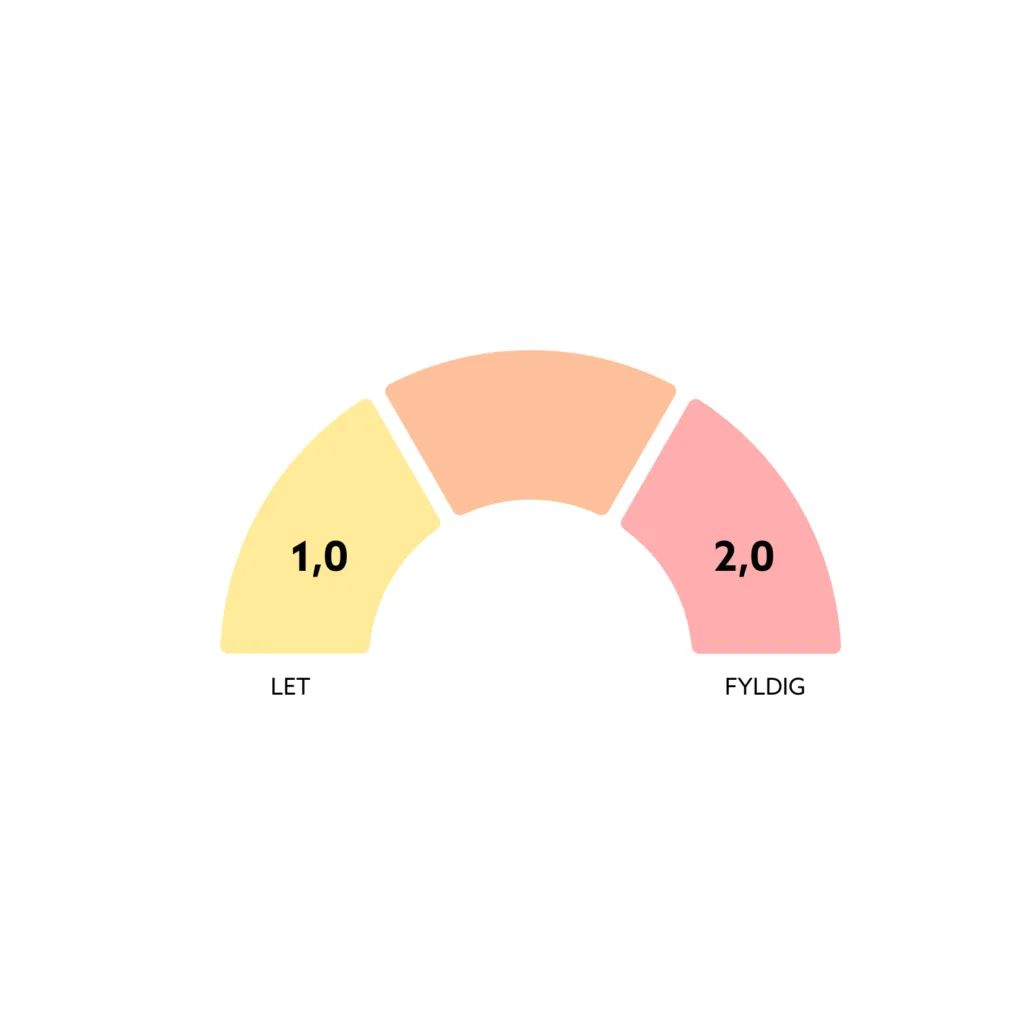
Amino acid value: the key to umami
Although the amino acid value appears less frequently on labels than SMV and acidity, it is an important indicator of flavour intensity. The amino acid value reflects the concentration of amino acids in sake, which contribute to umami — the deep, savoury taste that adds texture and complexity.
A higher level of amino acids often results in a fuller-bodied sake with pronounced umami and possibly a slight bitterness. This can enhance food pairings, especially with dishes that have strong or umami-rich elements.
For both interested beginners and experienced sake enthusiasts, understanding the amino acid value can be useful when selecting sake based on desired body, flavour depth and mouthfeel.
FOOD PAIRING
SAKE AND FOOD PAIRING
Sake is a highly versatile beverage that pairs well with a wide range of ingredients and dishes – far beyond Japanese cuisine. It even works well with ingredients that often challenge wine pairings, such as asparagus, spinach, Brussels sprouts, raw tomatoes, pickled elements and dishes with high acidity. The variation in production and style makes it possible to find a sake that complements almost any serving.
To make selection easier, we have grouped four overall flavour profiles with corresponding pairing recommendations.
TYPES AND PAIRING
Light & Sweet Sake
These sakes have a slightly positive SMV and a mild acidity.
Suitable for:
Moderately fatty grilled fish
Sashimi, sushi and teriyaki
Lightly spiced dishes
Light & Dry Sake
Characterised by a high positive SMV, low umami and a pronounced acidity.
Suitable for:
Carpaccio.
Pickled ingredients, vinaigrettes and ceviche
Fresh salads
Lean fish
Full-bodied & Sweet Sake
Typically with a high positive SMV, pronounced acidity balance and clear umami.
Suitable for:
Cheese
Dried fruits and desserts
Foie gras and spiced dishes
Full-bodied & Dry Sake
High positive SMV, medium acidity and a high level of amino acids.
Suitable for:
Grilled fish or meat with high fat content
Dishes with rich sauces
Umami-rich Sake
Especially types such as kimoto and yamahai, which often have a high amino acid value and a deep umami profile.
Suitable for:
Hard aged cheeses (e.g. Parmigiano Reggiano)
Charcuterie and salt-cured products
Umami-rich dishes and fermented elements
Here, the umami in both the sake and the food enhances each other, creating a deeper and more harmonious flavour experience.
Sake contains only around one fifth of the acidity level found in wine, but significantly more umami.
This makes it particularly well suited to the following categories of ingredients:
- Spicy and strongly seasoned dishes
- Cheese
- Bitter vegetables (e.g. asparagus and spinach)
- Seaweed and marine plants
- Caviar and roe
- Raw fish
WARM SAKE AND FAT
Warm sake is particularly well suited to dishes with a high fat content. Cold beverages can leave a greasy sensation in the mouth, while warm sake helps dissolve the fat and cleanse the palate. The result is a clean and pleasant mouthfeel, making it easier to enjoy the next course and highlighting the nuances of the dish.
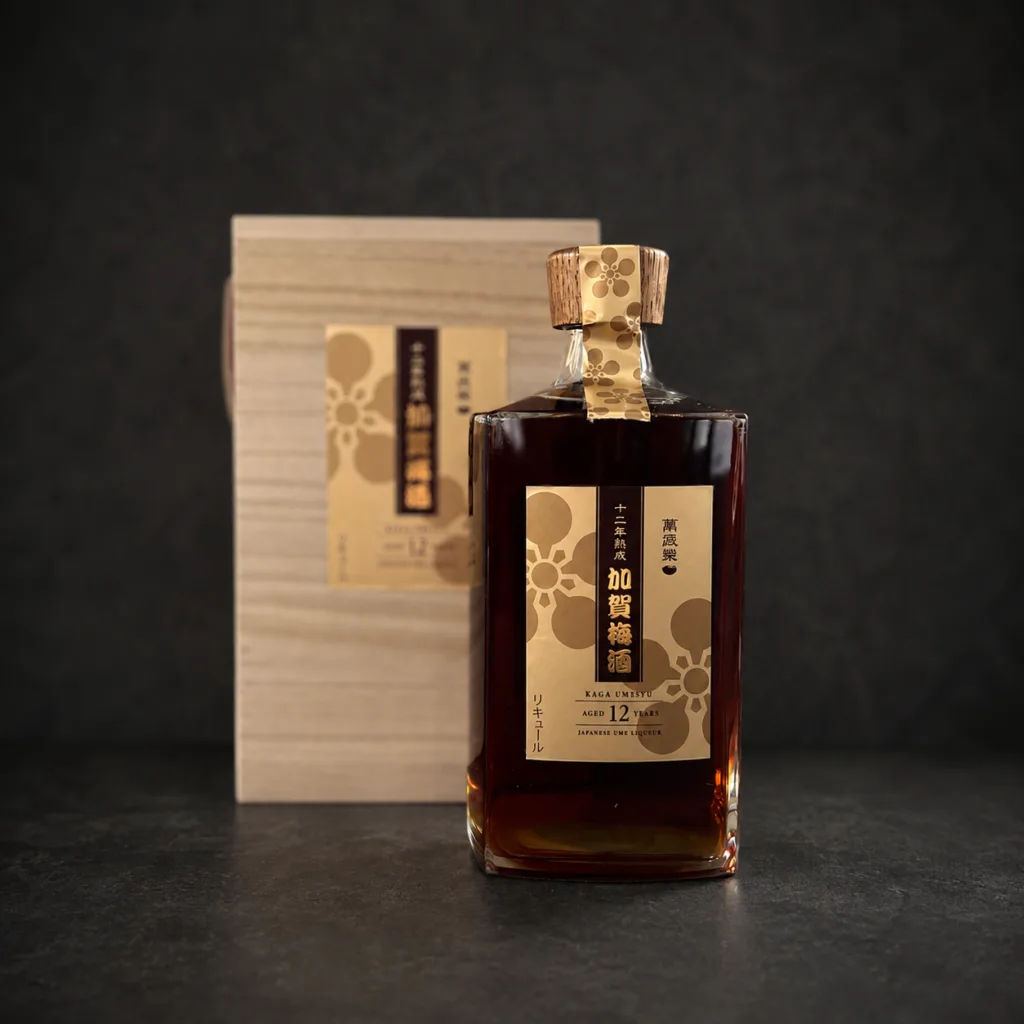
Kaga – Umeshu – 12 years – 750ml
Manzairaku Brewery – 12 Years Aged Umeshu12 Years Aged Umeshu from Manzairaku Brewery is an exclusive, slowly matured Japanese plum wine, aged for a full 12 years to achieve maximum depth, complexity, and balance. This luxurious Umeshu is made from green ume plums, cane sugar, and grain spirit, resulting in…
SAKE GLOSSARY
Daiginjo
The highest classification of sake, made from rice polished to between approx. 23% and 50% of its original size. The extensive polishing removes most of the rice’s proteins and fats, leaving only the starch-rich core. Daiginjo is often characterised by a light, fruity or floral aroma and an elegant, refined flavour profile.
Ginjo
A category of sake brewed with rice polished to between approx. 40% and 60%. As the outer layers are removed, the flavour becomes cleaner and more precise. Ginjo resembles daiginjo in aroma with fruity or floral notes, but is typically less intense.
Junmaishu
Sake made exclusively from rice, water, koji culture and yeast – without added alcohol. The polishing ratio is typically 70% or higher. Junmaishu often has a broader flavour profile than ginjo and daiginjo, as more of the rice is retained, giving producers greater flexibility to create variation through yeast and koji types.
Futsushu
Standard or table-grade sake, considered the lowest classification. The production of futsushu is declining, and it is rarely exported.
Honjozo
Made from rice polished to between approx. 70% and 90% of its original size. A small amount of distilled alcohol is added to enhance aroma and create a cleaner, drier flavour profile.
Kijoshu
Produced by replacing part of the brewing water with sake from previous vintages. This method creates a rich sweetness and makes kijoshu well suited for cheeses and desserts.
Genshu
Undiluted sake, typically with an alcohol content of 18–22%. Most other types are diluted to approx. 12–17%. Genshu has a more intense flavour and a fuller mouthfeel.
Junmai
Designation for sake without added alcohol. Made only from rice, water, koji culture and yeast. Junmai often has a more subtle aroma and is also included in categories such as junmai ginjo and junmai daiginjo.
Kimoto
A traditional brewing method where naturally occurring lactic acid bacteria develop in the starter. The process requires manual work and strict temperature control over several weeks. Kimoto often results in a lively, robust finish and is well suited for serving warm.
Koji
Japanese term for Aspergillus oryzae, a culture that breaks down rice starch into sugar, thereby enabling fermentation.
Nigori
Unfiltered, cloudy sake containing fine rice particles. Nigori is typically slightly sweet and has a creamy, silky viscosity.
Sokujo
A modern method where lactic acid is added directly to create a stable environment for the starter. This results in faster and more controlled fermentation compared to kimoto and yamahai, and reduces the risk of unwanted microorganisms.
Koshu
Means “aged sake”. Koshu is matured in tanks or bottles for several years and develops deep aromas, a darker colour and complexity through Maillard reactions.
Umami
The full, savoury taste in sake, originating from amino acids developed during fermentation. A high amino acid value (typically 1.0–2.0) results in more intense umami and makes sake particularly well suited to fermented or aged foods.
Sparkling – Awa
Sparkling sake. Cheaper versions are carbonated, while premium versions undergo secondary fermentation in tank or bottle – similar to Champagne. In Japanese, sparkling sake is called awa.
Namazake
Unpasteurised sake, which must be stored refrigerated and has a short shelf life (approx. three months). Namazake has a fresher and often more fruity aroma than pasteurised types and is typically enjoyed chilled.
Shizuku
A method where sake is not mechanically pressed. The mash is hung in bags, allowing the liquid to drip freely by gravity. The result is an elegant and clean flavour profile.
Yamahai
A traditional method where lactic acid is not added artificially but develops naturally in the starter. The process takes longer and produces sake with greater complexity, pronounced umami, acidity and earthy notes.